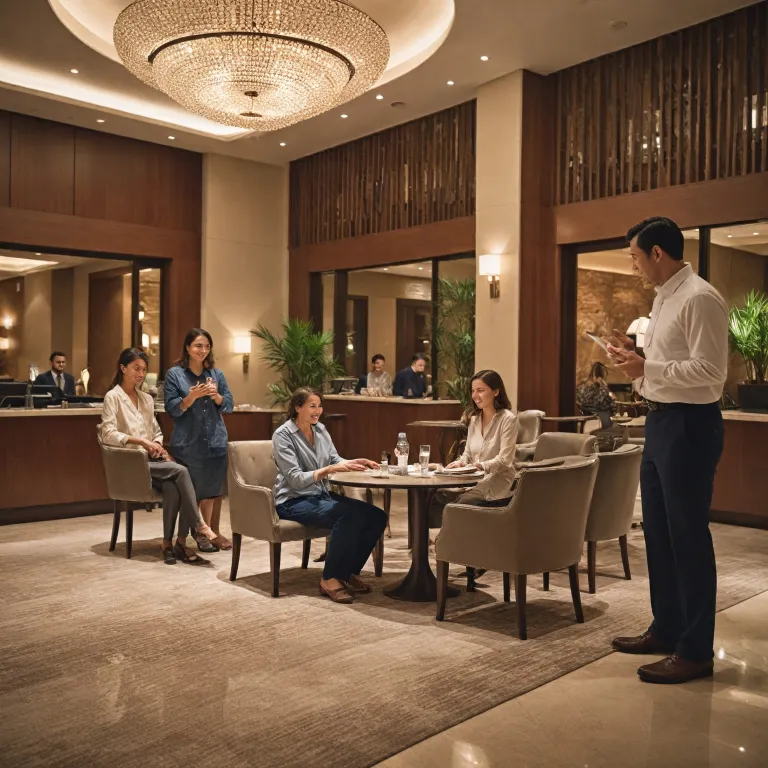
Mastering communication strategies for exceptional guest experiences
In the hospitality industry, communication stands as the cornerstone of memorable guest experiences. Effective communication strategies are essential for hotel teams and employees to ensure every guest feels valued from the moment they arrive. By prioritizing clear messaging across all communication channels, hotels can help guests navigate their stay with ease and confidence.
Hospitality managers play a pivotal role in setting communication standards and training hotel staff. Internal communication must be seamless to avoid operational errors and to deliver consistent service. When hotel communication is prioritized, guests benefit from timely information, personalized recommendations, and a sense of genuine care throughout their stay.
Communication tools such as digital messaging apps, email, and CRM systems empower hotel teams to respond quickly to guest inquiries. These tools also facilitate internal communication, ensuring that all employees are aligned in delivering the best guest experience. As the hospitality industry evolves, adopting communication hospitality best practices becomes a competitive advantage for hotels seeking to elevate guest satisfaction and loyalty.
Leveraging digital communication channels for enhanced guest engagement
Digital communication has transformed how hotels interact with guests before, during, and after their stay. Social media platforms, automated guest messaging systems, and email campaigns are now integral to hospitality communication best practices. These channels allow hotels to maintain ongoing dialogue with guests, share timely updates, and gather valuable feedback.
Implementing a robust communication strategy involves selecting the right mix of communication channels to reach diverse guest segments. For example, some guests prefer instant messaging, while others rely on email or mobile apps for updates. By offering multiple communication options, hotels can ensure that every guest receives information in their preferred format, enhancing overall guest satisfaction.
To further support effective communication, hotels should invest in training employees on digital communication etiquette and the use of communication tools. This not only improves the guest experience but also streamlines internal communication among hotel staff and teams. For actionable insights on optimizing your hotel's digital communication, explore our guide to digital guest engagement.
Optimizing internal communication to empower hotel staff and teams
Internal communication is the backbone of operational excellence in the hospitality industry. When hotel staff and teams communicate effectively, they can anticipate guest needs, resolve issues promptly, and deliver seamless service. Communication strategies should include regular team meetings, clear protocols, and accessible communication tools to foster collaboration among employees.
Hospitality managers must ensure that all employees are trained in the preferred language of the majority of guests, using visual aids and multilingual signage to bridge language barriers. This approach helps staff provide clear and concise information, contributing to a positive guest experience. Encouraging feedback loops between staff and management also strengthens internal communication, allowing for continuous improvement in service delivery.
Modern communication tools, such as staff portals and messaging apps, enable real-time updates and coordination among hotel teams. By integrating these tools into daily operations, hotels can reduce operational errors and enhance guest satisfaction. For a deeper dive into optimizing internal communication, visit our resource on staff collaboration best practices.
Personalizing guest communication for memorable stays
Personalized communication is a hallmark of hospitality communication best practices. Hotels that tailor their messaging to individual guest preferences create a sense of exclusivity and care. Using data analytics and CRM systems, hotels can segment guests based on their interests, travel history, and feedback, enabling targeted communication strategies.
Automated guest messaging systems and AI-driven chatbots are innovative tools that help hotels deliver timely and relevant information to guests. These technologies streamline communication, allowing hotel staff to focus on creating memorable guest experiences. "Effective communication ensures that guest needs are met promptly and accurately, leading to higher satisfaction and loyalty."
Hotels should also encourage guests to share their preferences and feedback throughout their stay. This two-way communication helps hotels refine their services and anticipate guest needs.
Implementing communication tools and best practices for operational efficiency
The adoption of advanced communication tools is essential for hotels aiming to achieve operational efficiency and guest satisfaction. Messaging apps, staff portals, and CRM software streamline both guest and internal communication, reducing the risk of information overload and inconsistent messaging. "Technology, such as CRM systems and messaging apps, streamlines information sharing and allows for personalized guest interactions."
Standardizing communication channels and protocols helps hotel teams deliver consistent messaging to guests and among employees. Regular training sessions on effective communication and active listening are vital components of hospitality communication best practices. These initiatives empower hotel staff to handle guest inquiries with confidence and professionalism.
Continuous evaluation and refinement of communication strategies ensure that hotels remain agile in responding to changing guest expectations. By leveraging technology and best practices, hotels can foster a culture of effective communication that benefits both guests and employees.
Measuring the impact of communication on guest satisfaction and loyalty
Quantifying the effectiveness of communication strategies is crucial for hotels committed to delivering exceptional guest experiences. Key performance indicators such as guest satisfaction scores, return rates, and operational error reduction provide valuable insights into the success of communication hospitality initiatives. "Higher guest return rate with personalized communication strategies" and "Increase in guest satisfaction with integrated guest messaging apps" are compelling statistics that highlight the value of investing in communication best practices.
Hotels should regularly solicit feedback from guests and employees to identify areas for improvement in their communication strategy. Data-driven decision-making enables hotels to adapt their communication channels and messaging to better meet guest needs. By fostering a culture of continuous improvement, hotels can ensure that their communication efforts consistently contribute to guest satisfaction and loyalty. This approach will help your hotel maintain a competitive edge through effective communication and best practices.
Key statistics on hospitality communication best practices
- Reduction in operational errors with standardized communication channels: 37%
- Increase in guest satisfaction with integrated guest messaging apps: 42%
- Higher guest return rate with personalized communication strategies: 94%
Frequently asked questions about hospitality communication best practices
Why is effective communication important in hospitality?
Effective communication ensures that guest needs are met promptly and accurately, leading to higher satisfaction and loyalty.
How can technology improve communication in hotels?
Technology, such as CRM systems and messaging apps, streamlines information sharing and allows for personalized guest interactions.
What are common challenges in hospitality communication?
Challenges include language barriers, inconsistent messaging, and information overload among staff.