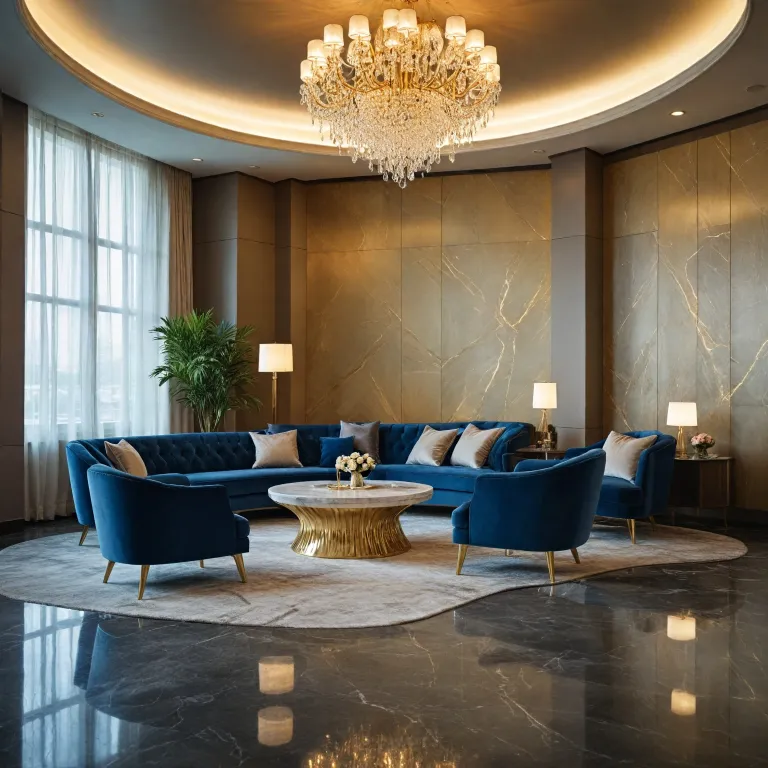
Why PPC for luxury hotels is now a strategic revenue lever
PPC for luxury hotels has moved from experimental tactic to core revenue driver. In a market where every luxury hotel competes on experience and prestige, paid campaigns now decide who captures high intent travelers at the decisive booking moment. When a traveler types a branded hotel search or a destination plus the word luxury, the hotel that controls the search results with strong hotel ads usually wins the booking and the relationship.
For marketing leaders, PPC advertising is no longer just about traffic volume ; it is about profitable direct bookings and lower distribution costs. Well structured ppc campaigns allow a hotel to reduce reliance on intermediaries while protecting the brand from aggressive competitors bidding on its name. A single ppc campaign can be segmented by audience, device, and intent, ensuring that each click is aligned with a clear revenue objective and a defined budget.
Search engines such as Google and Bing have become premium shelves for luxury hotels, where visibility is auctioned in real time. With hotel ppc, your brand can appear above online travel agencies and capture travelers before they are distracted by price comparisons. This is particularly powerful when your website offers added value, such as exclusive packages, flexible conditions, or tailored experiences that justify higher costs and reinforce hotel marketing positioning.
In this context, ppc for luxury hotels is not a commodity service that any generic ppc agency can manage. It requires deep understanding of traveler psychology, seasonality, and the economics of each hotel, from room type margins to lifetime value. Digital marketing teams and ppc agencies that master these nuances transform paid campaigns into a predictable, controllable lever for occupancy and brand equity.
Structuring hotel PPC around intent, brand protection, and profitability
Effective ppc for luxury hotels starts with a rigorous architecture of campaigns and ad groups. At minimum, every hotel should separate branded campaigns, generic destination campaigns, and competitor or conquesting campaigns to control costs and measure true incremental bookings. This structure allows you to allocate budget where each click generates the highest conversion rate and the strongest long term brand impact.
Branded hotel ads typically deliver exceptional performance, with an average click through rate for branded hotel search ads of 45 %. Because these searches show clear booking intent, hotel ppc on brand terms often achieves lower pay per click and higher conversion rates than generic queries. Protecting your brand with dedicated ppc campaigns also prevents intermediaries from intercepting direct bookings by bidding on your name and redirecting travelers to their own platforms.
Generic campaigns around luxury hotels in a destination are more competitive and require disciplined keyword selection and negative keywords. Here, quality score becomes a decisive factor, as relevant ad copy, strong landing pages, and fast websites reduce costs and improve ad rank. A well optimized luxury hotel website with clear booking paths and persuasive content can turn expensive generic clicks into profitable direct bookings.
Profitability depends on aligning ppc advertising metrics with hotel P&L realities, not just vanity KPIs. Marketing leaders should calculate acceptable pay click thresholds based on average booking value, ancillary revenue, and repeat stay potential. When ppc agencies or in house teams manage paid campaigns with this financial lens, they can justify higher bids for top segments while cutting wasteful spend on low value traffic.
To support loyalty and repeat business, link your PPC strategy with advanced loyalty program tactics described in this guide on elevating guest loyalty through sophisticated hotel loyalty marketing. This integrated approach ensures that every ppc campaign not only drives an initial booking but also feeds a long term relationship with your most valuable travelers.
Designing high converting journeys from search to landing page
In ppc for luxury hotels, the journey from search to landing page is where revenue is won or lost. A traveler who clicks on hotel ads expects immediate confirmation that they have found a luxury hotel aligned with their aspirations and budget. If the landing experience feels generic, slow, or misaligned with the ad promise, the booking is likely to be abandoned and the click wasted.
Every ppc campaign should map specific keywords and search intents to tailored landing experiences on the hotel website. For example, a campaign targeting family luxury hotels should lead to a landing page highlighting suites, connecting rooms, and child friendly services, not a generic homepage. Similarly, a ppc campaign focused on spa retreats should emphasize wellness imagery, signature treatments, and packages that justify premium pricing and support higher conversion rates.
Mobile optimization is now non negotiable, as the percentage of hotel searches conducted on mobile devices reaches 51 %. This means that hotel marketing teams must ensure that every landing page loads quickly, displays rates clearly, and offers a frictionless booking engine on smartphones. When mobile journeys are optimized, ppc hotels can capture last minute travelers and high intent users who are ready to complete a booking within minutes.
To sustain performance, digital marketing teams should continuously A/B test headlines, visuals, and calls to action across all ppc campaigns. Integrating marketing automation, as outlined in this resource on maximizing guest engagement with hotel marketing automation tools, helps nurture visitors who do not convert immediately. By aligning ppc advertising, CRM journeys, and remarketing lists, a luxury hotel can transform partial interest into confirmed bookings and repeat stays.
Balancing budget, bidding strategies, and quality score for luxury hotels
Managing budget and bids in ppc for luxury hotels requires a balance between ambition and discipline. Luxury hotels often operate with higher average daily rates, which can justify more aggressive pay click levels if conversion rates remain strong. However, without clear guardrails, costs can escalate quickly, eroding margins and undermining confidence in digital marketing investments.
Marketing leaders should define budget allocations by campaign type, season, and target audience, rather than relying on a single global budget. For example, branded hotel ads may run with always on funding, while generic campaigns for new markets receive test budgets with strict performance thresholds. Smart bidding strategies in Google Ads, combined with manual oversight, can help align bids with real time signals such as device, location, and time of day.
Quality score remains a central lever for controlling costs and improving visibility in hotel ppc. Highly relevant ad copy, aligned keywords, and fast, user friendly landing pages signal to Google that your ads deserve better positions at lower costs. When ppc agencies and in house teams collaborate to improve quality score, they effectively increase the reach of every euro invested in paid campaigns.
According to industry data, the contribution of paid search to direct hotel bookings can reach 37 %, making budget optimization a board level topic. This is why many hotel groups now select a specialized ppc agency with hospitality expertise rather than a generic provider. By combining granular bidding strategies with robust analytics, marketing teams can forecast the impact of each ppc campaign on occupancy, revenue, and brand visibility.
To further enhance perceived value and justify premium rates, align your PPC strategy with initiatives described in this article on elevating guest experience through custom hotel amenities. When the on site experience matches the promise made in hotel ads, travelers are more likely to return directly, reducing future acquisition costs.
Leveraging retargeting, video, and dynamic formats in hotel PPC
Once the fundamentals of ppc for luxury hotels are in place, advanced formats can significantly amplify results. Retargeting campaigns allow a hotel to re engage travelers who visited the website but did not complete a booking. By segmenting audiences based on behavior, such as room views or date searches, hotel marketing teams can tailor ads that address specific objections and encourage a return visit.
Video ads are increasingly important in hotel marketing, especially for luxury hotels that sell emotion and atmosphere. Short, high quality clips showcasing suites, restaurants, and signature experiences can dramatically increase engagement and click through rates. When integrated into ppc campaigns on platforms like YouTube or the Google Display Network, these assets reinforce brand positioning and drive qualified traffic back to the website.
Dynamic ppc campaigns, which adjust bids and creative elements in real time, are particularly powerful for hotels with fluctuating demand. By connecting inventory and pricing data to Google Ads, a luxury hotel can promote specific dates or offers when occupancy is low, optimizing budget and maximizing direct bookings. This approach also helps align paid campaigns with revenue management strategies, ensuring that each click supports broader commercial objectives.
Retargeting should extend beyond simple reminder ads to include tailored offers for high value segments. For example, ppc campaigns can present exclusive benefits for returning travelers, such as late checkout or complimentary upgrades, reinforcing loyalty and increasing lifetime value. When ppc agencies and internal teams coordinate these efforts, hotel ads become a continuous conversation with the target audience rather than isolated messages.
Measurement, collaboration, and continuous optimization for hotel PPC excellence
For ppc for luxury hotels to remain a sustainable growth engine, measurement and collaboration must be embedded in daily operations. Marketing leaders should align on a clear set of KPIs, including conversion rate, cost per booking, and share of direct bookings versus intermediated channels. Dashboards that integrate data from Google Ads, analytics tools, and the booking engine allow teams to monitor performance and react quickly to market shifts.
Cross functional collaboration between digital marketing, revenue management, and operations is essential for effective hotel ppc. When these teams share forecasts, pricing strategies, and guest feedback, ppc campaigns can be adjusted to promote the most profitable dates, room types, and experiences. This integrated approach ensures that every campaign and every click supports both short term occupancy goals and long term brand equity.
Continuous testing is the hallmark of mature ppc campaigns in luxury hotels. Teams should regularly experiment with new keywords, ad formats, and landing page layouts while maintaining control groups to measure true uplift. Over time, this disciplined experimentation improves quality score, reduces costs, and refines the understanding of which messages resonate most with the target audience.
To support internal expertise, many hotel groups partner with specialized ppc agencies while building in house capabilities. This hybrid model combines external innovation with deep knowledge of the hotel brand and guest expectations. As one industry explanation summarizes it clearly : “PPC (Pay-Per-Click) advertising for luxury hotels involves creating paid ads that appear on search engines and other platforms, where the hotel pays a fee each time the ad is clicked, aiming to drive traffic to their website and increase direct bookings.”
Key statistics for PPC performance in luxury hotels
- Percentage of hotel searches conducted on mobile devices : 51 %.
- Average click through rate for branded hotel search ads : 45 %.
- Contribution of paid search to direct hotel bookings : 37 %.
Frequently asked questions about PPC for luxury hotels
What is PPC advertising for luxury hotels ?
PPC advertising for luxury hotels refers to pay per click campaigns on search engines and other platforms where the hotel pays only when a user clicks on its ads. These campaigns are designed to drive qualified traffic to the hotel website and encourage direct bookings. For luxury hotels, PPC focuses on high intent travelers who are actively searching for premium accommodation and experiences.
How can luxury hotels optimize their PPC campaigns ?
Luxury hotels can optimize their PPC campaigns by structuring separate branded and generic campaigns, refining keyword lists, and using negative keywords to filter out low intent searches. Continuous testing of ad copy, extensions, and landing pages helps improve quality score and conversion rate. Geo targeting, device bid adjustments, and audience segmentation further ensure that budget is focused on the most valuable travelers.
Why is mobile optimization important for hotel PPC campaigns ?
Mobile optimization is critical because more than half of hotel related searches now occur on smartphones. If landing pages and booking engines are not mobile friendly, travelers will abandon the process despite clicking on hotel ads. A seamless mobile experience supports higher conversion rates and maximizes the return on every pay per click investment.
What role do digital marketing agencies play in hotel PPC ?
Digital marketing agencies specializing in hospitality bring expertise in campaign structure, bidding strategies, and creative optimization tailored to hotels. They help luxury hotels manage complex ppc campaigns across multiple markets and languages while maintaining brand consistency. Collaboration with in house teams ensures that PPC activity aligns with revenue management, brand positioning, and guest experience priorities.
How should luxury hotels measure the success of PPC campaigns ?
Success should be measured using a combination of performance and financial metrics, including click through rate, conversion rate, cost per booking, and share of direct bookings. Luxury hotels should also track revenue per click and lifetime value of guests acquired through PPC channels. Regular reporting and analysis enable continuous optimization and more accurate forecasting of future PPC impact on occupancy and revenue.
Sources : Google, WordStream, Google Hotel Ads.