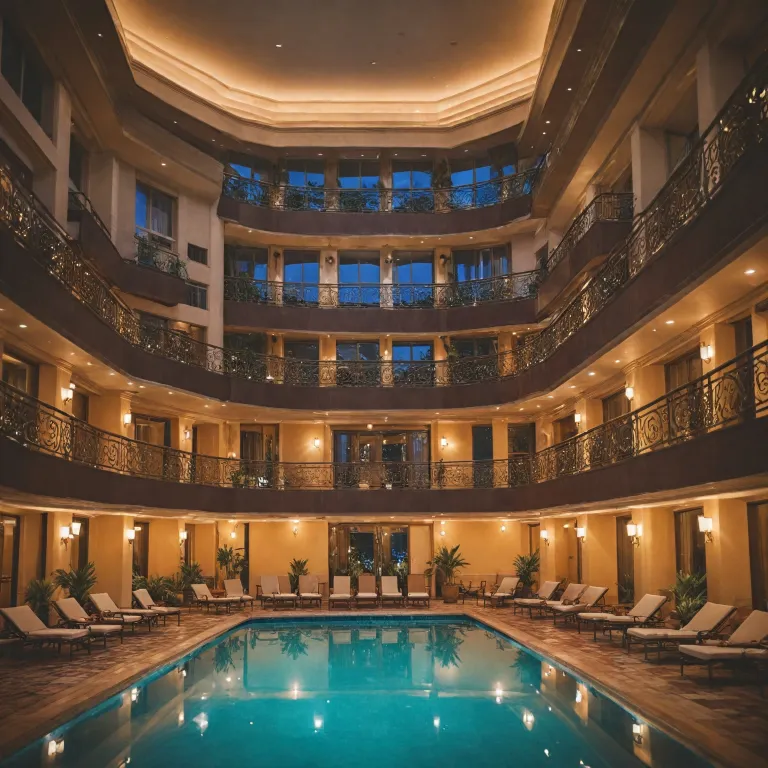
Building a robust hotel social media strategy for brand visibility
A well-crafted hotel social media strategy is the cornerstone of modern hospitality marketing. Social media channels such as Instagram, Facebook, and emerging platforms like TikTok offer hotels unparalleled opportunities to showcase their property, connect with guests, and reach audiences globally. The marketing team and the social media manager must collaborate to ensure the brand’s voice is consistent across all channels, aligning each post and campaign with the hotel’s broader marketing strategies. To maximize visibility, hotels should maintain up-to-date profiles with accurate information and high-quality visuals. Content must highlight not only the hotel’s amenities but also local attractions, events, and unique guest experiences. By integrating user generated content and encouraging guests to share their stay, hotels can foster authenticity and trust. A content calendar helps plan regular posts, ensuring a steady stream of engaging material that resonates with potential guests and keeps the brand top of mind. Influencer partnerships and collaborations with local businesses or tourism boards can further extend reach. Utilizing geotags, location-based hashtags, and interactive features like Instagram Stories or Reels enhances discoverability. The best marketing strategies are those that balance promotional posts with value-driven content, such as travel tips or behind-the-scenes glimpses, making the hotel’s social media presence both informative and inspiring.Crafting high quality content and post ideas to engage your audience
High quality content is essential for effective hotel social media marketing. Each post should reflect the property’s unique character and appeal to the target audience’s aspirations. Visual storytelling—through professional photography, video content, and creative post ideas—captures attention and encourages engagement. Instagram post formats, such as carousels, Reels, and Stories, allow hotels to showcase different aspects of their property and guest experiences. User generated content, including guest photos and testimonials, adds credibility and fosters a sense of community. The marketing team should curate and share this content, always crediting the original creators to encourage further participation. Video content is particularly powerful, offering immersive views of rooms, amenities, and local attractions. Short-form videos on platforms like TikTok and Instagram Reels are effective for reaching younger audiences and increasing engagement. For inspiration on optimizing your content strategy, explore this comprehensive guide to hotel marketing best practices. To keep the audience engaged, hotels should vary their post ideas: highlight seasonal offers, share behind-the-scenes moments, introduce staff members, and promote upcoming events. Consistency in posting frequency—ideally two to five times per week—ensures the brand remains visible without overwhelming followers. Engaging captions, relevant hashtags, and interactive elements like polls or questions further boost interaction and help measure success.Leveraging influencer partnerships and user generated content for authentic reach
Influencer partnerships have become a vital component of hotel social media strategies. By collaborating with travel influencers and bloggers, hotels can access new audiences and build trust through authentic endorsements. Micro-influencers, in particular, offer targeted reach to niche markets, making them valuable partners for boutique hotels or properties with unique offerings. User generated content is equally important for building authenticity and community. Encouraging guests to share their experiences and tag the hotel in their posts creates a steady stream of relatable content. “Hotels can increase bookings by showcasing high-quality visuals of their property, engaging with followers, running targeted ad campaigns, collaborating with influencers, and encouraging user-generated content.” This approach not only amplifies the hotel’s reach but also provides social proof that resonates with potential guests. To maximize the impact of influencer partnerships, hotels should establish clear guidelines and objectives for each collaboration. Influencers can be invited to create Instagram posts, stories, or even host live sessions from the property. Integrating user generated content into the hotel’s main feed or stories, and featuring guest testimonials on the website, strengthens the brand’s credibility. For a deeper dive into leveraging influencer marketing, refer to this resource on influencer partnerships in hospitality.Optimizing social media channels for direct bookings and guest engagement
Direct bookings are a primary goal for hotel social media marketing strategies. Social media channels should be optimized to drive traffic to the hotel’s website and booking engine. This involves clear calls to action, seamless integration of booking links, and regular promotion of exclusive offers available only through direct channels. Engagement is equally crucial. Responding promptly to comments, messages, and reviews demonstrates attentiveness and builds positive relationships with guests. “Success can be measured through metrics such as engagement rates, follower growth, website traffic from social media, and the number of direct bookings attributed to social media campaigns.” Social media managers should monitor conversations and address guest inquiries or feedback in real time, turning every interaction into an opportunity to enhance satisfaction. Hotels can also use social media to highlight guest stories, celebrate milestones, and share user generated content that showcases memorable stays. Integrating features like Instagram’s ‘Book Now’ button or Facebook’s reservation tools streamlines the booking process.Measuring success and refining your hotel social media strategy
Continuous measurement and refinement are essential for effective hotel social media management. Analytics tools provide insights into post performance, audience demographics, and conversion rates. Key metrics include engagement rates, reach, impressions, website clicks, and the volume of direct bookings generated from social media campaigns. Regular analysis helps identify which content types and channels yield the best results. For instance, “Instagram and Facebook are highly effective due to their visual nature and large user bases. TikTok is also emerging as a valuable platform for reaching younger audiences.” Hotels should adjust their media strategy based on these insights, reallocating resources to the most effective platforms and content formats. A/B testing different post ideas, captions, and visuals can reveal what resonates most with the audience. Social media managers should also track competitor activity and industry trends to stay ahead. By fostering a culture of experimentation and learning, hotels can ensure their social media marketing strategies remain dynamic and effective.Innovative tools and trends shaping hotel social media marketing
The landscape of hotel social media marketing is constantly evolving. Social media management platforms like Hootsuite and Buffer streamline scheduling, monitoring, and analytics, allowing teams to manage multiple channels efficiently. Content creation tools such as Canva and Adobe Spark empower staff to produce high quality visuals and video content without extensive design experience. Emerging trends include the use of augmented reality features to showcase hotel amenities and the integration of direct booking systems within social media platforms. Short-form video content, especially on TikTok and Instagram Reels, is gaining traction for its ability to reach audiences quickly and drive engagement. “Hotels should aim to post 2 to 5 times per week to maintain visibility and engagement without overwhelming their audience.” Collaborations with local tourism boards, event organizers, and businesses can further enhance the hotel’s reach and reputation. By staying attuned to technological advancements and consumer preferences, hotels can maintain a competitive edge in the digital landscape.Key statistics on hotel social media management
- 35% of travelers use social media for travel inspiration.
- 71% of travelers are influenced by social media content in their booking decisions.
- 58% of hotels use Instagram as their main platform for engagement.
- 76% of travelers post on social media while on vacation.
- Hotels have seen a 20% increase in direct bookings through social media.
Frequently asked questions about hotel social media management
How can hotels effectively use social media to increase bookings?
Hotels can increase bookings by showcasing high-quality visuals of their property, engaging with followers, running targeted ad campaigns, collaborating with influencers, and encouraging user-generated content.
Which social media platforms are most effective for hotel marketing?
Instagram and Facebook are highly effective due to their visual nature and large user bases. TikTok is also emerging as a valuable platform for reaching younger audiences.
How often should hotels post on social media?
Hotels should aim to post 2 to 5 times per week to maintain visibility and engagement without overwhelming their audience.