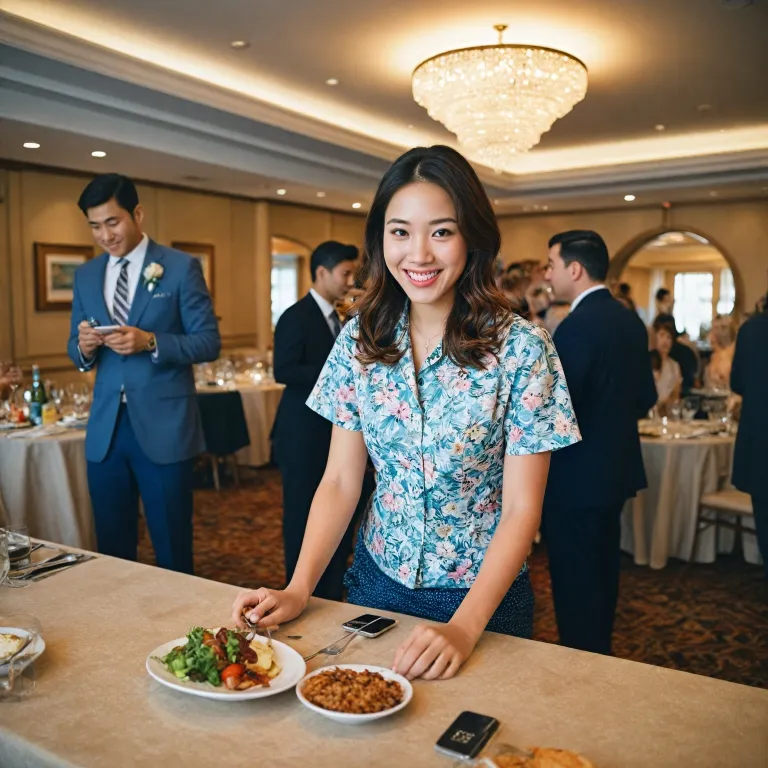
Leveraging multi-channel marketing strategies for impactful hotel events
In the competitive hospitality landscape, hotel event marketing strategies demand a multi-channel approach to reach and engage diverse audiences. Effective marketing strategies integrate content across social media, email campaigns, and digital channels to maximize visibility and drive bookings. By aligning hotel marketing with the preferences of both guests and event planners, hotels can create memorable experiences that resonate with their target audience.
Social media platforms serve as powerful tools for real-time engagement, allowing hotels to showcase event highlights, share guest testimonials, and interact directly with potential guests. Utilizing dynamic pricing and booking engines, hotels can offer tailored packages that appeal to a wide range of people, from corporate clients to leisure travelers. Email marketing remains a cornerstone of effective marketing, with personalized email campaigns proven to increase bookings and foster guest loyalty.
Content marketing plays a vital role in establishing authority and trust within the hospitality sector. By producing high-quality, relevant content that addresses the needs of event planners and guests, hotels can improve their rankings on search engines and attract organic traffic. A well-crafted marketing plan ensures that every channel, from social media to third-party platforms, works cohesively to support event marketing objectives and increase direct bookings.
Personalization and data-driven marketing: enhancing the guest experience
Personalization is at the heart of modern hotel event marketing strategies, enabling hotels to deliver tailored experiences that exceed guest expectations. By leveraging CRM software and data analytics, marketing teams can segment their audience and design targeted email campaigns that speak directly to the interests of potential guests. This approach not only increases bookings but also enhances the overall guest experience, fostering long-term loyalty.
Dynamic pricing strategies allow hotels to adjust rates in real time based on demand, seasonality, and guest profiles. This flexibility ensures that marketing efforts remain effective and competitive, driving revenue growth during peak event periods. Integrating booking engines with personalized offers and exclusive content further encourages direct bookings, reducing reliance on third-party channels and increasing profitability.
Collaboration with local vendors and influencers amplifies the reach of hotel event marketing, bringing fresh perspectives and authentic content to the table. As noted in the dataset, “By offering flexible packages, building relationships with local vendors, and investing in sustainability,” hotels can attract more event planners and create unique experiences that resonate with their audience. For more insights on optimizing your marketing strategy, explore our comprehensive guide to hospitality marketing.
Maximizing social media and content marketing for event visibility
Social media is indispensable for hotel event marketing strategies, offering unparalleled opportunities to engage with guests and promote events in real time. Effective marketing on platforms like Instagram, Facebook, and LinkedIn enables hotels to reach a broad audience, share compelling visuals, and generate buzz around upcoming events. Consistent content creation, including behind-the-scenes footage and guest interviews, strengthens the hotel’s brand and builds anticipation among potential guests.
Content marketing extends beyond social media, encompassing blog posts, newsletters, and video content that highlight the unique aspects of each event. By optimizing content for search engines and aligning it with the interests of the target audience, hotels can increase their online visibility and attract more direct bookings. Email marketing campaigns that feature event highlights, exclusive offers, and personalized recommendations further enhance guest engagement and drive bookings.
Utilizing analytics tools to track the performance of social media and content marketing initiatives allows hotels to refine their strategies and maximize ROI. As emphasized in the dataset, “Social media platforms help engage potential attendees, promote events, and build brand awareness.” For actionable tips on boosting event visibility, visit our hotel event marketing resource center.
Innovative tools and technology in hotel event marketing
The adoption of innovative tools and technology is transforming hotel event marketing strategies, enabling hotels to deliver seamless and personalized experiences. Event management platforms streamline the planning and execution of events, providing real-time updates and facilitating communication between hotel marketing teams, event planners, and local vendors. CRM software and AI-driven analytics empower hotels to understand guest preferences and tailor marketing campaigns accordingly.
SEO optimization tools enhance the discoverability of hotel events on search engines, driving organic traffic and increasing bookings. Integrating booking engines with dynamic pricing capabilities ensures that hotels remain competitive and responsive to market trends. Email marketing platforms equipped with automation features allow for timely and relevant communication with guests, increasing the effectiveness of email campaigns and supporting direct bookings.
Collaboration with partners such as influencers, local businesses, and media outlets extends the reach of hotel event marketing, bringing new audiences into the fold. As highlighted in the dataset, “It builds trust and authority while attracting organic traffic from event planners and potential attendees.
Building sustainable and memorable event experiences
Sustainability is increasingly important in hotel event marketing strategies, with a growing number of event planners prioritizing eco-friendly practices. Hotels that incorporate sustainable event planning into their marketing strategy not only appeal to environmentally conscious guests but also differentiate themselves in a crowded market. Offering flexible packages and collaborating with local vendors supports sustainability while enhancing the guest experience.
Personalized guest experiences are at the core of effective marketing, with hotels leveraging data to anticipate needs and exceed expectations. Virtual and hybrid events have become integral to modern event marketing, allowing hotels to reach a global audience and increase bookings without the constraints of physical space. By integrating sustainability and personalization into their marketing plan, hotels can build brand loyalty and generate additional income through innovative event offerings.
Real-time feedback and post-event follow-up are essential components of hospitality marketing, enabling hotels to refine their strategies and deliver even more memorable experiences in the future. Engaging guests through multiple channels, including social media, email, and direct communication, ensures that every touchpoint reinforces the hotel’s commitment to excellence and sustainability.
Measuring success and optimizing future hotel event marketing strategies
Continuous measurement and optimization are critical to the success of hotel event marketing strategies. By tracking key performance indicators such as event attendance, booking rates, and guest satisfaction, hotel marketing teams can identify areas for improvement and adjust their marketing plan accordingly. Data-driven insights enable hotels to refine their marketing strategy, allocate resources effectively, and maximize the impact of their campaigns.
Utilizing analytics from booking engines, email marketing platforms, and social media channels provides a comprehensive view of marketing performance. Hotels can leverage this data to enhance their content, target audience segmentation, and dynamic pricing strategies, ensuring that every marketing effort contributes to increased bookings and revenue growth. Collaboration with third-party partners and continuous innovation in digital marketing further support the achievement of event marketing objectives.
By fostering a culture of continuous improvement and embracing new technologies, hotels can stay ahead of industry trends and deliver exceptional experiences to guests and event planners alike. The integration of real-time feedback, personalized communication, and sustainable practices ensures that hotel event marketing strategies remain effective and relevant in an ever-evolving market.
Key statistics on hotel event marketing strategies
- 75% of event planners prioritize sustainability when selecting hotel venues.
- Personalized email marketing has led to a 20% increase in bookings for hotels.
Frequently asked questions about hotel event marketing strategies
How can hotels attract more event planners?
By offering flexible packages, building relationships with local vendors, and investing in sustainability, hotels can appeal to event planners seeking unique and responsible venues.
What role does social media play in hotel event marketing?
Social media platforms help engage potential attendees, promote events, and build brand awareness, making them essential for effective hotel event marketing strategies.
Why is content marketing important for hotel events?
It builds trust and authority while attracting organic traffic from event planners and potential attendees, supporting the hotel’s overall marketing objectives.
Trusted sources for hotel event marketing strategies
- Hotel News Resource
- Event Temple
- Skift