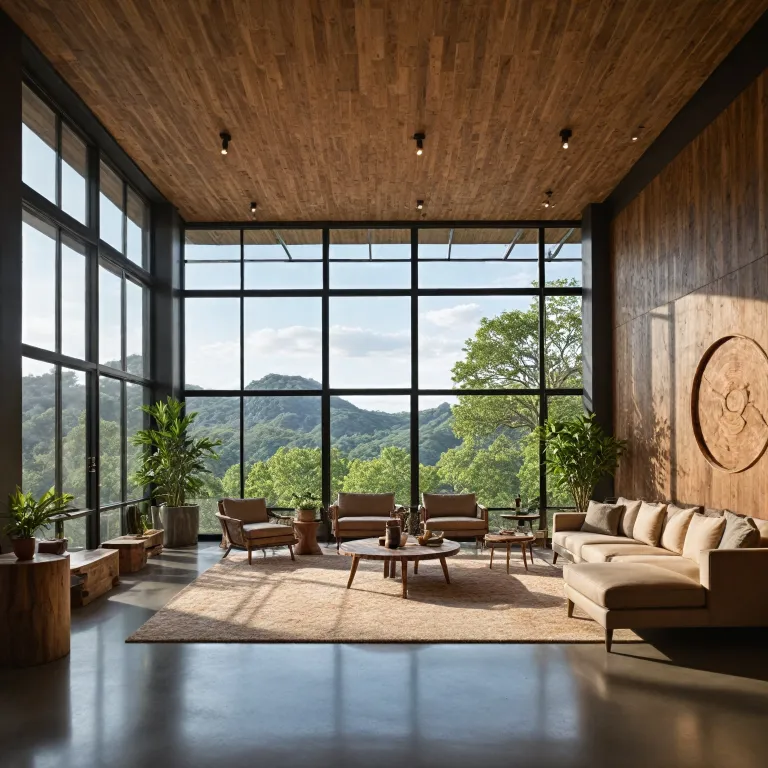
Integrating eco-conscious hotel solutions into hospitality marketing strategies
Eco-conscious hotel solutions have become central to the hospitality industry’s marketing and communication efforts. Hotels and hospitality groups are increasingly prioritizing sustainable practices to reduce their environmental impact and appeal to eco-minded guests. The integration of energy efficient appliances, water conservation technologies, and green amenities is now a key differentiator for hotels striving to enhance their brand reputation and guest experience.
Marketing teams are leveraging the sustainability efforts of their hotels to attract both leisure and business travelers who value environmental responsibility. By showcasing eco friendly amenities, such as refillable water bottles, biodegradable toiletries, and energy water management systems, hotels can position themselves as leaders in the green hotels movement. These practices not only help reduce waste and plastic usage but also support the broader goal of minimizing the carbon footprint of the hospitality industry.
Communication professionals are tasked with articulating the benefits of eco friendly hotel initiatives to guests and stakeholders. Highlighting achievements like reducing plastic waste, implementing waste management programs, and sourcing local food for hotel restaurants can significantly boost a hotel’s visibility. The adoption of sustainable practices, such as composting food waste and using smart energy management systems, demonstrates a commitment to both environmental stewardship and guest satisfaction.
To further strengthen their sustainability narrative, hotels are collaborating with sustainability consultants and local suppliers. These partnerships enable the development of innovative solutions that address the unique challenges of the hospitality industry, from reducing water consumption to optimizing energy use. By embedding eco-conscious hotel solutions into their core marketing messages, hospitality brands can build trust and loyalty among environmentally aware guests.
Enhancing guest experience through sustainable practices and amenities
Guest experience is at the heart of the hospitality industry, and eco-conscious hotel solutions play a pivotal role in shaping positive perceptions. Hotels are implementing friendly practices that not only reduce environmental impact but also elevate the comfort and satisfaction of their guests. The use of eco friendly amenities, such as reusable water bottles and organic toiletries, is becoming standard in both independent hotels and large hospitality groups.
Guests increasingly expect hotels to demonstrate a commitment to sustainability through tangible actions. Friendly hotels are responding by offering energy efficient lighting, low-flow water fixtures, and digital check-in options that minimize paper waste. These sustainable practices contribute to a seamless guest experience while supporting the hotel’s broader sustainability efforts.
Communication teams are leveraging digital channels to educate guests about the hotel’s green initiatives. Informative signage, in-room guides, and pre-arrival emails highlight the benefits of participating in eco friendly programs, such as reusing towels or opting out of daily linen changes. These efforts not only reduce water and energy consumption but also foster a sense of partnership between the hotel and its guests.
Hotels are also focusing on reducing food waste by implementing portion control, composting, and sourcing ingredients from local producers. These initiatives not only support environmental sustainability but also enhance the culinary experience for guests. For a deeper dive into the impact of sustainable amenities on guest satisfaction, visit our resource on eco friendly guest amenities.
Driving operational efficiency through energy and water management
Operational efficiency is a critical concern for hotel management, and eco-conscious hotel solutions offer significant opportunities for cost savings and resource optimization. The adoption of energy efficient appliances and smart energy management systems enables hotels to monitor and control energy usage in real time. These technologies help reduce overall energy consumption and support the hotel’s sustainability goals.
Water conservation is another priority for the hospitality industry, given the high volume of water used in daily operations. Hotels are installing low-flow fixtures, implementing greywater recycling systems, and encouraging guests to participate in water-saving programs. These measures can result in substantial reductions in water usage, benefiting both the environment and the hotel’s bottom line.
Waste management is integral to operational sustainability. Hotels are adopting comprehensive waste reduction strategies, including recycling, composting, and eliminating single-use plastics. By replacing plastic bottles with refillable alternatives and offering eco friendly amenities, hotels can significantly reduce plastic waste and enhance their environmental credentials.
For actionable tips on optimizing energy and water management in hotels, refer to our article on energy and water efficiency in hospitality. These best practices not only improve operational efficiency but also contribute to a positive guest experience and a stronger brand reputation.
Communicating sustainability efforts to stakeholders and guests
Effective communication is essential for maximizing the impact of eco-conscious hotel solutions. Marketing and communication teams must articulate the value of sustainable practices to a diverse audience, including guests, investors, and industry partners. Transparent reporting on sustainability efforts, such as reductions in energy and water consumption or successful waste management programs, builds credibility and trust.
Hotels are utilizing multiple channels to share their sustainability stories. Social media campaigns, press releases, and in-room materials highlight the hotel’s commitment to environmental stewardship. By showcasing achievements like achieving sustainability certifications or partnering with local environmental organizations, hotels can differentiate themselves in a competitive market.
Engaging guests in sustainability initiatives is also crucial. Hotels encourage participation through loyalty programs, incentives for eco friendly behavior, and educational content about the benefits of reducing plastic and food waste. These efforts foster a sense of community and shared responsibility among guests and staff.
One expert insight from the dataset states, "Common practices include using energy-efficient appliances, implementing water-saving fixtures, reducing waste through recycling and composting, and sourcing local and organic products." This quote underscores the importance of integrating multiple eco friendly practices to achieve meaningful results in the hospitality industry.
Leveraging partnerships and innovation for sustainable hospitality
Collaboration is key to advancing eco-conscious hotel solutions in the hospitality industry. Hotels are forming partnerships with sustainability consultants, local suppliers, and government agencies to develop and implement innovative green practices. These collaborations enable hotels to access expertise, resources, and technologies that support their sustainability objectives.
The integration of AI-powered platforms for real-time monitoring and optimization of energy and water usage represents a significant advancement in hotel operations. These systems provide actionable insights that help hotels reduce their carbon footprint and improve resource efficiency. By investing in smart technologies, hotels can stay ahead of regulatory requirements and meet the evolving expectations of eco conscious guests.
Hotels are also exploring new approaches to waste management, such as composting food waste and eliminating single-use plastics. These initiatives not only reduce environmental impact but also align with the values of modern travelers. Friendly hotels that prioritize sustainability are better positioned to attract and retain guests who seek meaningful, responsible travel experiences.
To further enhance their sustainability credentials, hotels are pursuing recognized certifications and participating in industry-wide initiatives. These efforts demonstrate a long-term commitment to environmental stewardship and position hotels as leaders in the green hospitality movement.
Measuring the impact of eco-conscious hotel solutions
Quantifying the results of sustainability efforts is essential for continuous improvement and effective communication. Hotels are using key performance indicators (KPIs) to track progress in areas such as energy and water consumption, waste reduction, and guest satisfaction. These metrics provide valuable insights that inform decision-making and support ongoing sustainability initiatives.
Data-driven reporting enables hotels to demonstrate the tangible benefits of eco friendly practices to stakeholders. For example, average energy savings from energy-efficient appliances can reach 20%, while water savings from low-flow fixtures may achieve 30%. Composting programs can reduce waste by up to 50%, highlighting the significant impact of targeted sustainability efforts.
Hotels are also leveraging guest feedback to assess the effectiveness of eco friendly amenities and programs. Positive reviews and repeat bookings indicate that guests value the hotel’s commitment to sustainability. By continuously monitoring and refining their practices, hotels can enhance both operational efficiency and guest experience.
Ongoing measurement and transparent communication of results are critical for building trust and maintaining momentum in the pursuit of sustainable hospitality. These practices ensure that eco-conscious hotel solutions deliver lasting value for both the environment and the business.
Future trends and opportunities in eco-conscious hospitality marketing
The future of hospitality marketing lies in the continued evolution of eco-conscious hotel solutions. Hotels are exploring new technologies and practices to further reduce their environmental impact and meet the growing demand for sustainable travel options. The adoption of renewable energy sources, such as solar and wind power, is becoming more widespread, offering additional opportunities for hotels to lower their carbon footprint.
Personalization is emerging as a key trend in eco friendly hospitality. Hotels are using data analytics to tailor sustainability programs and amenities to the preferences of individual guests. This approach enhances the guest experience while maximizing the effectiveness of sustainability efforts.
The elimination of single-use plastics and the adoption of biodegradable alternatives are set to become industry standards. Hotels that lead in these areas will be well positioned to attract eco conscious travelers and differentiate themselves in a competitive market. As the hospitality industry continues to innovate, the integration of eco-conscious hotel solutions will remain a cornerstone of successful marketing and communication strategies.
By embracing sustainable practices and communicating their value effectively, hotels can build lasting relationships with guests and contribute to a more sustainable future for the industry.
Key statistics on eco-conscious hotel solutions
- Average energy savings from energy-efficient appliances: 20%
- Water savings from low-flow fixtures: 30%
- Reduction in waste through composting programs: 50%
Frequently asked questions about eco-conscious hotel solutions
What are some common eco-friendly practices in hotels?
Common practices include using energy-efficient appliances, implementing water-saving fixtures, reducing waste through recycling and composting, and sourcing local and organic products.
How do eco-friendly hotels benefit the environment?
They reduce energy and water consumption, minimize waste production, and lower greenhouse gas emissions, contributing to environmental conservation.
Are eco-friendly hotels more expensive to stay in?
Not necessarily. While some may have higher rates due to sustainable practices, many eco-friendly hotels offer competitive pricing, and guests often find added value in supporting environmental initiatives.
How can guests support eco-friendly initiatives during their stay?
Guests can participate in hotel eco-friendly programs, conserve resources by reusing towels and linens, and choose hotels with recognized sustainability certifications.
References:
- https://www.johnsons-stalbridge.com/about-us/blog/10-ways-hotels-can-reduce-their-impact-on-the-environment
- https://hotelemporium.com/blogs/press/5-proven-strategies-for-sustainable-hospitality-reducing-waste-protecting-the-planet
- https://www.johnsons-stalbridge.com/about-us/blog/10-ways-hotels-can-reduce-their-impact-on-the-environment