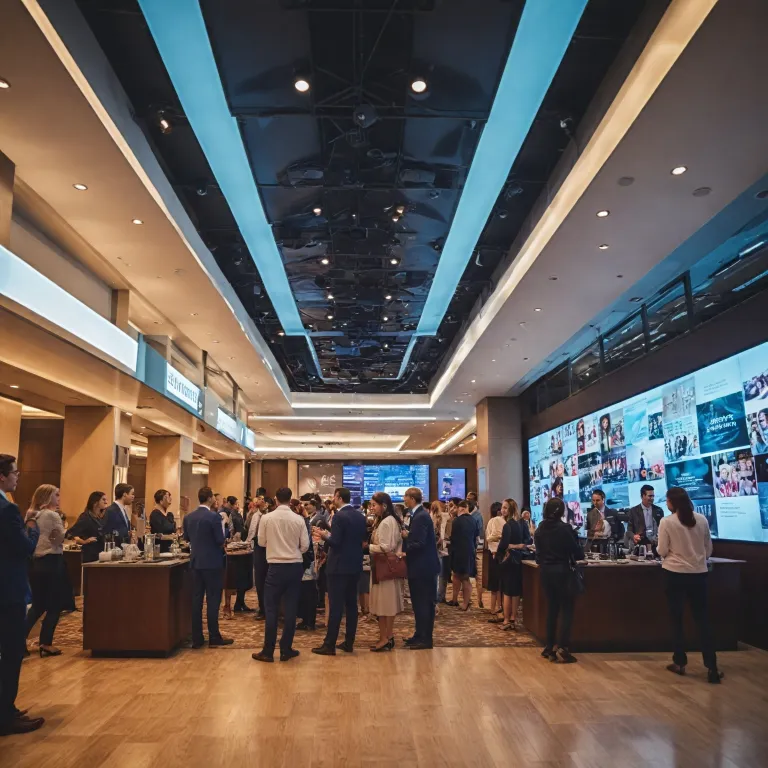
Transforming hospitality marketing with b2b virtual events
B2b virtual events have become a cornerstone for hospitality marketing, offering a dynamic platform for industry professionals to connect, share, and innovate. The shift from person events to virtual events has enabled marketers and communication leaders to reach a broader audience, regardless of geographic limitations. These online events provide cost effective solutions for hotels, travel agencies, and tourism offices aiming to generate leads and showcase products services in real time.
Event organizers now leverage virtual conferences and webinars to deliver valuable insights to both marketers and attendees. The integration of AI and data analytics has further enhanced event engagement, allowing for personalized content and targeted demand gen strategies. With pre recorded sessions and live Q&A sessions, attendees can access content at their convenience, maximizing the impact of each virtual event.
Industry professionals have noted that virtual events work well for brand awareness and lead generation. The flexibility of online events also supports post event engagement, enabling marketers to nurture relationships and convert prospects into loyal clients. As the hospitality industry continues to evolve, embracing virtual events is essential for staying competitive and visible in a crowded marketplace.
Maximizing attendee engagement and interaction in virtual events
Engagement is the lifeblood of successful b2b virtual events, especially in the hospitality sector where personal connections drive business growth. Incorporating interactive features such as live polls, breakout rooms, and Q&A sessions fosters real time interaction between speakers, attendees, and marketers. These elements transform passive viewers into active participants, enhancing the overall event experience.
Event organizers should prioritize event planning that includes both live and pre recorded content, catering to diverse attendee preferences. For example, virtual conferences can feature keynote speakers delivering live presentations, followed by on-demand workshops for deeper learning. This hybrid approach ensures that attendees receive the best of both worlds, increasing satisfaction and event engagement.
To further boost engagement, industry professionals can utilize gamification and networking platforms that encourage attendees to connect and share experiences. By analyzing engagement metrics, marketers can refine their strategies and offer tailored content that resonates with their audience. For more on optimizing digital strategies for hospitality, explore our comprehensive guide to digital marketing for hotels.
Leveraging data and analytics for measurable event success
Data-driven decision making is transforming the way hospitality marketers approach b2b virtual events. Advanced analytics tools enable event organizers to track attendee behavior, measure event engagement, and assess the effectiveness of marketing campaigns. This wealth of data provides industry professionals with valuable insights into what content resonates most and which products services generate leads.
By integrating AI-powered analytics, marketers can segment their audience and deliver personalized experiences during virtual events. Real time feedback from attendees, collected through interactive polls and surveys, helps refine future event planning and content strategies. The ability to analyze post event data also supports continuous improvement and higher ROI for virtual events.
Industry professionals seeking to enhance their data capabilities can benefit from specialized event management software. These platforms streamline the collection and analysis of engagement metrics, ensuring that every virtual event contributes to long-term marketing success. For a deeper dive into hospitality analytics, visit our resource on data-driven marketing in hospitality.
Cost effectiveness and scalability: the business case for virtual events
One of the primary advantages of b2b virtual events is their cost effectiveness compared to traditional person events. Hospitality marketers can significantly reduce expenses related to venue rental, travel, and logistics while still reaching a global audience. This scalability allows even independent hotels and smaller agencies to participate in industry events without prohibitive costs.
Virtual events also offer flexible attendance options, enabling people to join from any location and at any time. This inclusivity expands the potential audience and increases the likelihood of generating leads. The ability to host multiple events virtual throughout the year further amplifies brand visibility and engagement within the industry.
As noted in the dataset, "B2B virtual events offer cost savings, broader audience reach, enhanced data collection, and flexible participation options." This quote underscores the strategic value of virtual events for hospitality professionals seeking to maximize their marketing impact.
Best practices for content creation and speaker management
Compelling content is at the heart of every successful virtual event. Hospitality marketers must curate sessions that address the specific needs and interests of their audience, from industry trends to practical tips for event marketing. Engaging speakers play a critical role in delivering this content, offering valuable insights and fostering meaningful connections with attendees.
Event organizers should balance live and pre recorded sessions to accommodate different learning styles and time zones. Q&A sessions with industry professionals provide opportunities for real time interaction and knowledge sharing. Additionally, leveraging high-quality visuals and interactive elements enhances the overall impact of virtual conferences and online events.
Post event, it is essential to maintain engagement by sharing session recordings, follow-up materials, and opportunities for continued networking. This approach not only extends the life of the event but also supports ongoing demand gen efforts. By prioritizing content quality and speaker expertise, hospitality marketers can ensure their virtual events stand out in a competitive industry.
Integrating virtual events into a holistic hospitality marketing strategy
To achieve sustained success, hospitality professionals must integrate b2b virtual events into their broader marketing and communication strategies. This involves aligning event objectives with overall business goals, such as brand awareness, lead generation, and customer retention. Collaboration between marketing teams, event organizers, and industry partners is key to delivering cohesive and impactful virtual events.
Utilizing a mix of event marketing tactics, including targeted email campaigns, social media promotion, and strategic partnerships, increases event visibility and attracts the right audience. Marketers should also leverage post event analytics to refine future campaigns and measure ROI. The ongoing evolution of virtual events, including the rise of hybrid formats, presents new opportunities for innovation and growth in the hospitality industry.
By embracing best practices and leveraging advanced technologies, hospitality marketers can ensure their virtual events deliver measurable results. The integration of virtual events into a comprehensive marketing strategy positions brands for long-term success in an increasingly digital landscape.
Key statistics on b2b virtual events in hospitality marketing
- 99% of companies utilize webinars as a key marketing component.
- 90% of event management organizations believe large-scale events will be hybrid or virtual within two years.
- 49% of B2B marketers host between 20 to 30 virtual events annually.
- 40.6% of attendees prefer hybrid events.
- 36% increase in event registrations due to virtual events.
- 26% growth in ROI from virtual events.
- 25% rise in attendance engagement in virtual events.
Frequently asked questions about b2b virtual events in hospitality
What are the benefits of B2B virtual events?
B2B virtual events offer cost savings, broader audience reach, enhanced data collection, and flexible participation options.
How can I increase engagement in virtual events?
Incorporate interactive elements like live polls, Q&A sessions, and breakout rooms to foster participant interaction.
What platforms are recommended for hosting virtual events?
Popular platforms include Zoom, Microsoft Teams, Webex, and specialized event platforms like ON24 and Hopin.
How do virtual events compare to in-person events in terms of ROI?
66% of event management professionals report that virtual events offer greater ROI than physical events.
What is the future outlook for B2B virtual events?
The virtual events industry is expected to continue growing, with increasing integration of hybrid formats and advanced technologies.