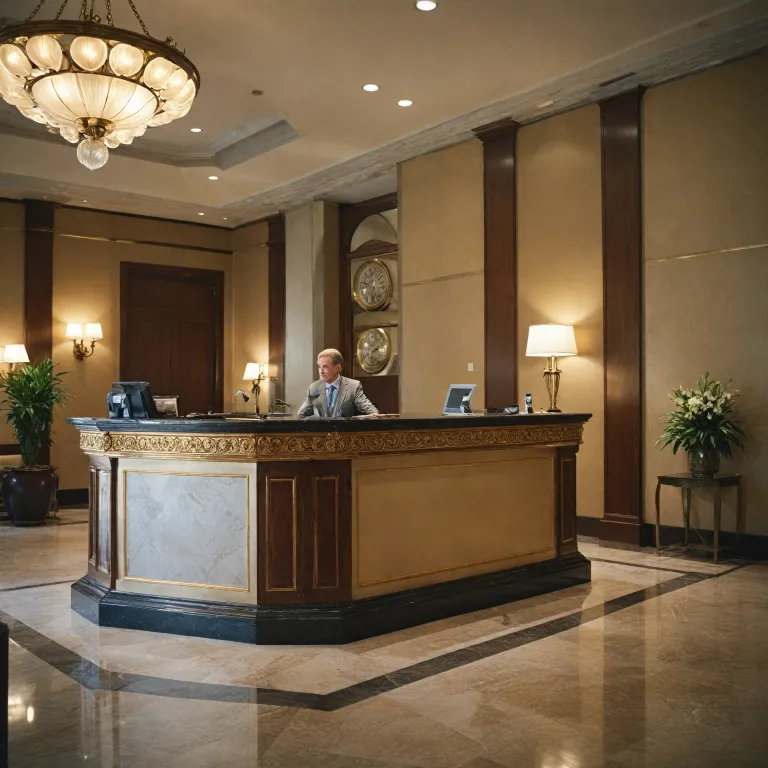
Personalized guest journey: The foundation of effective hotel upselling
Understanding the guest journey is essential for implementing successful hotel upselling communication techniques. Each guest interacts with the hotel at multiple touchpoints, from pre-arrival to post-stay, and these moments present unique upsell opportunities. By mapping the guest journey, marketing teams and front desk staff can identify when and how to introduce relevant offers, such as room upgrades, late check-out, or exclusive add ons.
Personalization is at the heart of every upselling strategy. Leveraging CRM and upselling software, hotels can analyze guest preferences, previous stays, and booking patterns to tailor upsell offers. For example, a guest who frequently books spa services may appreciate a pre-arrival email highlighting discounted wellness packages. Upselling efforts are most effective when they align with the guest’s needs and enhance their overall stay.
Front desk upselling remains a critical component, as staff can engage guests in real time and suggest upgrades or services that match their profile. Desk upselling is not limited to check-in; it extends throughout the stay, allowing for dynamic offers based on guest feedback and behavior. Upsell software supports staff by providing timely prompts and data-driven recommendations, ensuring every interaction is an upsell opportunity.
Integrating upselling techniques into the guest journey requires collaboration between marketing, guest services, and technology partners. By focusing on the guest experience, hotels can increase revenue, foster loyalty, and differentiate themselves in a competitive market.
Leveraging technology and data for targeted upsell offers
Technology plays a pivotal role in optimizing hotel upselling communication techniques. Upselling software and CRM systems enable hotels to segment guests and deliver personalized offers at the right time. Pre-arrival emails, powered by data analytics, achieve a 48% click-through rate and a 10.6% conversion rate, highlighting the effectiveness of targeted communication.
Mobile applications and in-room tablets provide additional channels for upsell opportunities. Guests can browse and book services such as early check-in, room upgrades, or exclusive packages directly from their devices. This seamless integration enhances the guest experience and drives incremental revenue.
AI and machine learning are transforming upselling strategies by predicting guest preferences and automating offer delivery. For example, upsell software can analyze booking data to suggest the best add ons or upgrades for each guest segment. This level of personalization increases the likelihood of conversion and maximizes upselling hotel revenue.
Collaboration with technology providers ensures that hotels stay ahead of industry trends and continuously improve their upselling efforts. By investing in innovative tools, hotels can streamline desk upselling, automate post-stay follow-ups, and measure the impact of their upsell program. For more insights on leveraging technology in hospitality marketing, explore advanced digital strategies for hotel marketing.
Empowering front desk staff for successful upsell interactions
Front desk staff are at the forefront of hotel upselling communication techniques. Their ability to engage guests and present relevant offers directly influences the success of upselling efforts. Training programs focused on upselling techniques equip staff with the skills to identify upsell opportunities and communicate value effectively.
Role-playing scenarios and real-time feedback help staff refine their approach, ensuring that offers are presented in a natural and guest-centric manner. For example, suggesting a room upgrade at check-in can be positioned as an exclusive benefit, enhancing the guest experience while increasing hotel revenue. Desk upselling is most effective when staff understand guest preferences and use upsell software to support their recommendations.
Incentive programs motivate staff to participate actively in upsell programs. Recognizing top performers and sharing success stories fosters a culture of excellence and continuous improvement. Front desk upselling is not limited to initial interactions; staff should also be trained to identify upsell opportunities during the stay and at check-out.
Collaboration between front desk, marketing, and guest services ensures a consistent approach to upselling hotel services.
Crafting compelling offers: Maximizing upsell conversion rates
The success of hotel upselling communication techniques depends on the relevance and appeal of the offers presented to guests. Crafting compelling offers requires a deep understanding of guest preferences, booking history, and current trends. Upsell opportunities should be tailored to each segment, whether it’s business travelers seeking early check-in or families interested in room upgrades and add ons.
Visual elements, such as high-quality images and clear descriptions, enhance the attractiveness of offers. Upselling software enables hotels to automate the delivery of personalized offers across multiple channels, including pre-arrival emails, mobile apps, and in-room promotions. Timing is crucial; presenting the right offer at the right moment increases the likelihood of conversion.
Collaboration with local businesses can enrich the guest experience by providing unique packages and services. For example, partnering with a local spa or restaurant allows hotels to offer exclusive deals that add value to the guest’s stay. Desk upselling can also highlight these partnerships, creating memorable experiences and driving ancillary revenue.
Continuous testing and optimization are essential for maximizing upsell conversion rates. Analyzing data from upsell software and guest feedback helps hotels refine their upselling strategy and improve future offers.
Integrating upselling across the guest journey: From pre-arrival to post-stay
Successful hotel upselling communication techniques span the entire guest journey, from pre-arrival to post-stay. Pre-arrival emails introduce guests to available services and upgrades, setting the stage for a personalized experience. During check-in, front desk staff can reinforce these offers and suggest additional upsell opportunities based on real-time information.
In-stay communication, such as mobile app notifications and in-room promotions, keeps guests informed about available services and add ons. Desk upselling during the stay can include suggestions for dining, spa treatments, or late check-out, tailored to the guest’s preferences. Post-stay follow-ups provide an opportunity to thank guests, gather feedback, and introduce future offers, fostering loyalty and repeat business.
Integration of upselling efforts across departments ensures a seamless guest experience. Marketing, front desk, and guest services must collaborate to deliver consistent messaging and maximize upsell program effectiveness. Upsell software facilitates this integration by centralizing guest data and automating communication across touchpoints.
Continuous monitoring and analysis of upsell performance enable hotels to adapt their strategies and respond to changing guest needs. By embedding upselling techniques throughout the guest journey, hotels can enhance satisfaction, increase revenue, and build lasting relationships.
Measuring success and optimizing upselling strategies for long-term growth
Measuring the effectiveness of hotel upselling communication techniques is critical for long-term success. Key performance indicators include pre-arrival email click-through rates, conversion rates, and the impact of upsell software on package sales. For example, hotels have reported a 200% increase in upsell package sales after implementing advanced upselling software.
Regular analysis of upsell opportunities and guest feedback helps hotels identify areas for improvement. Upselling strategies should be adjusted based on performance data, market trends, and evolving guest preferences. Desk upselling metrics, such as the number of upgrades sold at check-in or the uptake of add ons during the stay, provide valuable insights into staff effectiveness and guest engagement.
Collaboration with technology providers and local partners supports continuous innovation in upselling hotel services. Investing in staff training, new tools, and personalized communication ensures that hotels remain competitive and responsive to guest needs. As one expert notes, “Hotel upselling involves offering guests additional services or upgrades to enhance their stay, such as room upgrades, spa treatments, or dining experiences.”
By fostering a culture of data-driven decision-making and guest-centric service, hotels can optimize their upselling efforts and achieve sustainable revenue growth.
Key statistics on hotel upselling communication techniques
- Pre-arrival email click-through rate: 48%
- Conversion rate from pre-arrival emails: 10.6%
- Increase in upsell package sales after implementing upselling software: 200%
Frequently asked questions about hotel upselling communication techniques
What is hotel upselling?
Hotel upselling involves offering guests additional services or upgrades to enhance their stay, such as room upgrades, spa treatments, or dining experiences.
How can hotels personalize upselling offers?
Hotels can use guest data from CRM systems to tailor offers based on previous stays, preferences, and special occasions.
When is the best time to present upselling offers to guests?
Optimal times include pre-arrival emails sent 7-10 days before check-in, during the check-in process, and through in-stay communications.
What are some innovative upselling strategies in hotels?
Utilizing AI for personalized upselling recommendations, collaborating with local businesses for unique guest experiences, and implementing mobile apps for seamless upselling opportunities are key strategies.
How do upselling efforts impact guest satisfaction?
Effective upselling enhances the guest experience by providing personalized options, leading to increased satisfaction, loyalty, and positive reviews.
Trusted sources: HotelBuddy, Canary Technologies, HotelBuddy CRM Insights