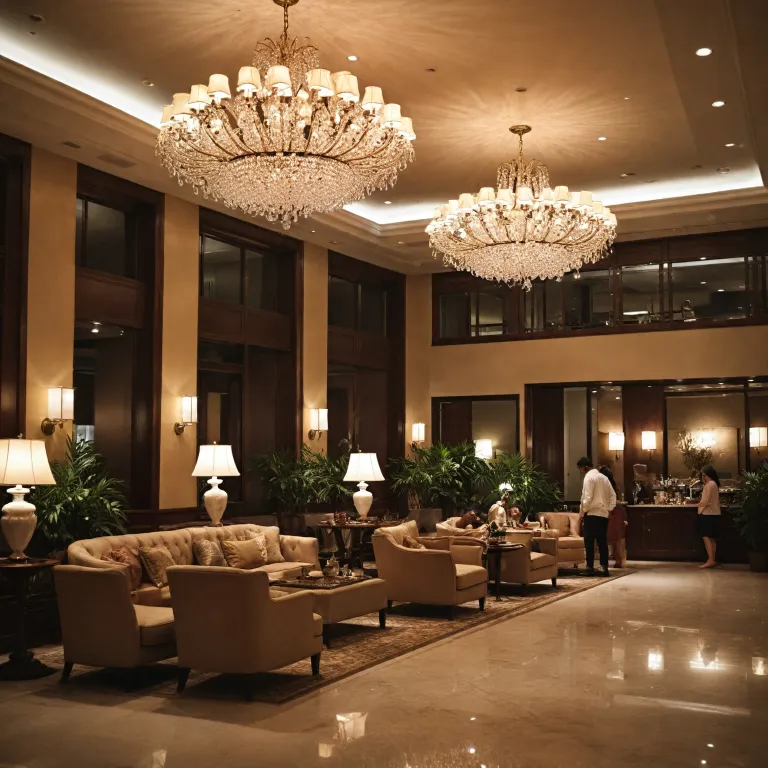
Mastering guest communication throughout the hotel journey
Communicating with hotel guests effectively begins long before their arrival and extends well beyond their departure. In the hospitality industry, every touchpoint—pre-arrival, check-in, during the stay, and post-stay—offers an opportunity to enhance guest satisfaction. The key to successful guest communication lies in understanding the unique needs of each guest and tailoring messages to create a seamless experience. Hotels that prioritize clear, timely, and personalized communications see measurable improvements in guest satisfaction and loyalty. By integrating multiple channels such as email, SMS, WhatsApp SMS, and hotel apps, hotels ensure that guests feel valued and informed at every stage of their journey.
Pre-arrival communication sets the tone for the entire stay. Sending personalized emails or messages with essential information about the hotel, local area recommendations, and check-in procedures helps guests feel welcomed and prepared. During the stay, real-time messaging and proactive guest services empower staff to address guest needs swiftly, making guests feel heard and appreciated. Post-stay communications, such as follow-up emails or surveys, demonstrate a commitment to continuous improvement and encourage valuable feedback. This holistic approach to guest communication not only enhances the guest experience but also drives repeat business and positive online reviews.
Leveraging technology and multi-channel strategies for guest satisfaction
Modern hotel communication strategies rely on a blend of traditional and digital channels to reach guests where they are most comfortable. Email remains a cornerstone for pre-stay and post-stay communications, offering a reliable way to send confirmations, updates, and feedback requests. However, the rise of instant messaging platforms like WhatsApp SMS and SMS has transformed how hotels communicate with guests in real time. These channels enable staff to send timely updates, respond to inquiries, and resolve issues quickly, ensuring guests feel supported throughout their stay.
Integrating guest messaging platforms and CRM systems allows hotels to centralize guest communications and personalize interactions based on guest profiles and preferences. For example, automated messages can remind guests about check-in times, room upgrades, or special amenities, while AI-powered chatbots provide instant answers to common questions. This multi-channel approach not only streamlines communication hotels but also empowers staff to focus on delivering exceptional guest services. For more insights on optimizing your hotel's digital presence, explore our comprehensive guide to hotel marketing strategies.
Personalization and active listening: the foundation of effective guest messaging
Personalized communication is at the heart of guest satisfaction in the hospitality industry. Addressing guests by name, acknowledging special occasions, and tailoring recommendations based on previous stays or preferences make guests feel recognized and valued. Active listening is equally important; staff should be trained to listen attentively to guest feedback and respond with empathy and clarity. This approach not only resolves issues promptly but also builds trust and rapport between guests and hotel staff.
Guest messaging platforms enable hotels to segment communications, ensuring that each message is relevant and timely. For instance, pre-stay emails can highlight local events or exclusive offers, while in-stay messages can provide real-time updates about hotel services or dining options. Post-stay surveys and follow-up messages invite guests to share their experiences, offering valuable insights for continuous improvement. To further enhance your guest communications, consider leveraging the best practices outlined in our hotel guest engagement toolkit.
Empowering hotel staff for seamless guest communication
Hotel staff play a pivotal role in delivering exceptional guest communication at every stage of the guest journey. Front desk agents, concierge, housekeeping, and management must be equipped with the tools and training necessary to communicate with guests effectively. Regular training sessions on communication best practices, active listening, and cultural sensitivity ensure that staff can handle diverse guest needs with professionalism and care. Empowering staff with access to guest profiles and communication history enables them to personalize interactions and anticipate guest preferences.
Technology also supports staff in managing guest communications efficiently. Mobile devices and hotel apps allow staff to send messages, update guest records, and coordinate guest services in real time. This seamless integration of technology and human touch enhances the overall guest experience and ensures that guests feel supported throughout their stay.
Measuring and optimizing guest communication for continuous improvement
Effective guest communication is not a one-time effort but an ongoing process that requires regular evaluation and optimization. Hotels should track key performance indicators such as response times, guest satisfaction scores, and feedback from post-stay surveys to identify areas for improvement. According to recent data, 70% of customers expect a response within 24 hours, while 39% expect a reply within just 2 hours. Meeting or exceeding these expectations is crucial for maintaining high levels of guest satisfaction and loyalty.
Hotels can leverage guest communications data to identify trends, anticipate guest needs, and refine messaging strategies. For example, analyzing feedback from post-stay surveys can reveal common pain points or highlight opportunities for personalized service enhancements. Regularly reviewing communication channels and adopting new technologies, such as AI-powered chatbots or integrated messaging platforms, ensures that hotels remain agile and responsive to evolving guest expectations. By fostering a culture of continuous improvement, hotels can consistently deliver outstanding guest experiences and drive long-term success.
Building trust and loyalty through transparent and proactive communication
Trust is the cornerstone of guest satisfaction in the hospitality industry. Transparent and proactive communication helps build this trust by ensuring that guests are informed, empowered, and confident in their hotel choice. From the moment guests book their stay, clear and concise messaging about hotel policies, amenities, and local attractions sets the stage for a positive experience. During the stay, proactive updates about room readiness, special offers, or local events keep guests engaged and informed.
Post-stay communications, such as thank-you messages or personalized offers, reinforce the hotel's commitment to guest satisfaction and encourage repeat visits. As one expert notes, "Effective communication ensures guest satisfaction, builds trust, and encourages repeat business." By consistently delivering transparent and proactive guest communications, hotels can foster lasting relationships with guests and differentiate themselves in a competitive market.
Key statistics on communicating with hotel guests effectively
- 70% of customers expect a response within 24 hours.
- 39% of customers expect a response within 2 hours.
- 60% increase in likelihood of guests returning when communication is rated as 'excellent'.
Frequently asked questions about guest communication in hotels
Why is effective communication important in the hospitality industry?
Effective communication ensures guest satisfaction, builds trust, and encourages repeat business.
How can hotels personalize communication with guests?
By addressing guests by name, recognizing special occasions, and tailoring recommendations based on preferences.
What are some common communication channels used by hotels?
Email, phone, SMS, hotel apps, and in-person interactions.
Trusted sources for further reading on hotel guest communication
- HospitalityNet
- Hotel Management
- Skift