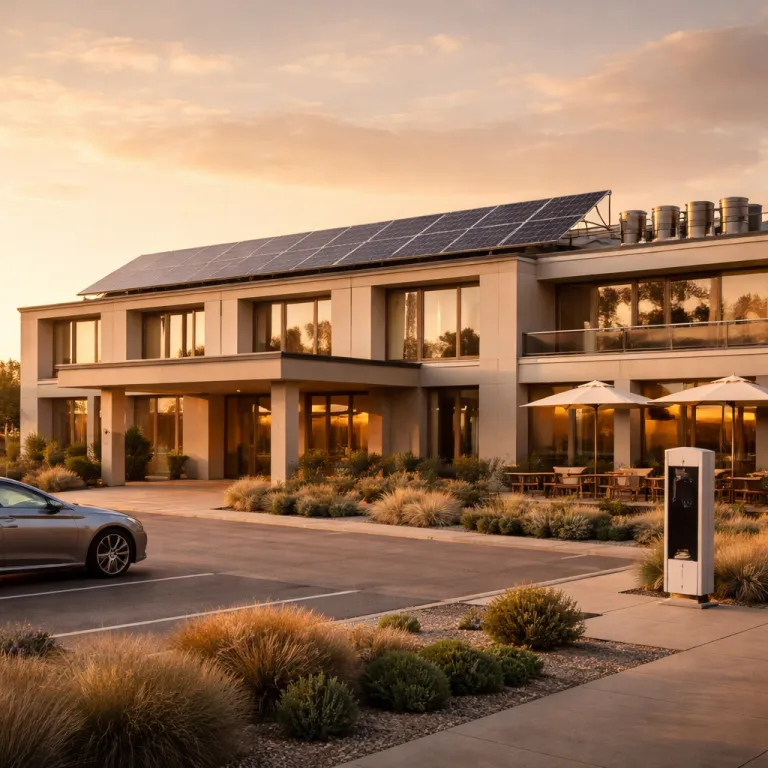
From ESG narrative to opex narrative: reframing hotel energy efficiency
Hotel energy efficiency is not a sustainability project; it is an opex strategy. When energy represents roughly 60% of a hotel carbon footprint and a similar share of utility spend, the hospitality industry can no longer treat it as a side initiative owned only by engineering. For marketing, communication and acquisition leaders in hotels, the shift is simple but radical: energy becomes a controllable cost of distribution and a lever for positioning, not just an ESG talking point.
When you frame energy as opex, every euro of energy savings looks like incremental GOP, not a moral victory. Owners and asset managers in the hospitality sector understand that energy costs sit alongside labour and distribution as the three big lines that define profitability, so your narrative must connect energy management directly to RevPAR, TRevPAR and net operating income. Sustainability in the hospitality industry is now explicitly recast as an operational and financial imperative by the market, which means your brand story about sustainability must be backed by hard data on energy consumption and measurable efficiency gains.
Marketing teams in hotels that still pitch sustainability with generic messaging about being green are leaving money on the table. A better view is to position your hotel as an energy efficient asset that protects long term value, stabilises cash flow and enhances guest experience through smarter climate control and lighting. In owner meetings, that means leading with quantified energy savings, payback periods and the impact on guest satisfaction scores, then layering the softer sustainability narrative on top for communication and PR.
Energy consultants, technology providers and government agencies have all converged on the same operational logic. They support hotel owners with energy monitoring software, smart thermostats, occupancy sensors and incentives that reduce energy costs while improving guest comfort in rooms and public spaces. For commercial leaders, the opportunity is to integrate these systems into your brand promise, your content strategy and your acquisition funnels, so that energy conservation becomes both a financial argument and a differentiating story in a crowded hospitality sector.
HVAC, BMS and lighting: the three investments that actually move the P&L
When you strip away the noise, three technology pillars drive hotel energy efficiency in a measurable way: HVAC, building management systems and lighting. Upgrading HVAC systems from legacy chillers and boilers to modern, variable speed heating and cooling solutions is usually the single biggest lever to reduce energy consumption in full service hotels. In parallel, a properly configured building management platform that orchestrates these HVAC systems, integrates lighting and tracks air quality by zone can unlock double digit energy savings without compromising guest comfort.
Lighting is the quiet hero of energy efficiency in the hospitality industry, because it touches every corridor, back of house area and guest room. Moving to LED lighting with granular controls and occupancy sensors in guest rooms, meeting spaces and service areas can generate immediate energy savings with relatively low capex compared with heavy plant upgrades. The key is to connect these lighting systems to your central energy management layer, so that data on usage by floor and by hour feeds both engineering decisions and commercial storytelling about your hotel sustainability performance.
Smart energy management is where marketing and operations finally meet. A smart system that automates climate control in guest rooms based on occupancy sensors, window status and booking data can reduce energy consumption significantly while improving guest experience through more stable temperatures. What are common energy-saving measures in hotels? Upgrading HVAC systems, installing efficient lighting, and using smart thermostats. A concrete illustration: if a 200-room property invests 400 USD per room in smart thermostats and controls (80,000 USD total) and achieves a 20% cut on a 400,000 USD annual energy bill, the 80,000 USD yearly saving delivers a simple payback of roughly one year.
For owners, the only language that matters is payback and risk. Average hotel energy cost per room per year sits around 2,000 USD according to ENERGY STAR benchmarking for U.S. full service properties, and savings of 20–35% on utility costs are achievable when hotels combine efficient HVAC systems, LED lighting and smart controls. Documented examples include the InterContinental San Francisco, which reported about 25% electricity savings after a comprehensive building management system and lighting upgrade, and a Marriott property in Portland that cut energy use by roughly 30% through high efficiency boilers, variable speed drives and advanced controls. When you walk into an owner meeting with a clear view of how these investments reduce energy costs per available room, protect asset value and support premium positioning, your sustainability proposal stops being a cost and starts looking like a margin expansion plan; this is also where you can reference demand insights such as the analysis in what the Easter week really tells us about Q2 demand to show how stable opex supports pricing power.
Granular metering, real time data and the tech stack that actually reduces consumption
You cannot manage what you cannot see by floor, by hour and by system. Granular sub metering of energy, water and even food waste across guest rooms, kitchens, laundry and public areas is now a baseline requirement for serious hotel energy efficiency strategies. Without that level of data, any view of efficiency is blurred, and you end up with dashboards that report historical energy consumption instead of systems that actively reduce energy in real time.
The hospitality sector has been flooded with platforms that visualise energy data but do little to change operational behaviour. The tech stack that truly matters combines energy management software, smart controls for HVAC and lighting, and automation rules that respond to occupancy sensors, weather and booking patterns without constant human intervention. In practice, that means guest rooms that automatically shift to an energy conservation mode when unoccupied, public spaces where lighting and climate control adapt to traffic, and back of house areas where equipment schedules are aligned with actual demand.
For hotel tech and innovation leaders, the priority is to separate reporting tools from optimisation engines. A better approach is to specify systems that integrate with your PMS and CRM, so that energy efficient setpoints in rooms are linked to check in and check out times, and guest preferences are respected without wasting energy. This is also where workforce productivity comes into play; when automation handles routine adjustments, your équipe can focus on higher value tasks, as explored in depth in the analysis on the metrics that actually predict labour efficiency.
Owners will ask why they should invest in more meters, more sensors and more software. The answer is that metering granularity and smart controls turn energy from a fixed cost into a managed variable, allowing you to reduce energy costs in line with occupancy and seasonality. When your hospitality management team can show that ENERGY STAR benchmarking scores are improving, that air quality in rooms is stable and that guest satisfaction around temperature and lighting is rising, the business case for continued investment in hotel energy efficiency becomes self reinforcing.
From sustainability story to commercial asset: structuring the owner pitch
Most sustainability proposals die in owner meetings because they start with carbon and end with cost. To get to yes, you must lead with the P&L impact of hotel energy efficiency, quantify the savings and then show how the hospitality brand can monetise that performance in marketing and distribution. Energy accounts for roughly 60% of a hotel carbon footprint and a similar share of utility spend according to multiple industry reviews of full service properties, so reframing energy conservation as the single largest controllable expense line in the building changes the entire conversation.
Start your owner pitch with a simple baseline: current energy costs per available room, segmented by electricity, gas and water, and benchmarked against ENERGY STAR or local hospitality industry peers. Then model the impact of specific measures such as upgrading HVAC systems, installing smart thermostats in guest rooms, deploying occupancy sensors and optimising lighting schedules, using conservative assumptions from energy consultants or government programmes. When you can show that a 20% reduction in energy consumption delivers a clear uplift in GOP and short payback periods, you are speaking the language of asset value, not environmental virtue.
The second layer of the pitch connects efficiency to revenue and brand. A hotel that can credibly communicate its energy efficient operations, reduced waste and improved air quality can position itself as a better choice for corporate RFPs, events and eco conscious leisure guests, especially when supported by case studies and inspiring hotel marketing campaigns such as those analysed in strategies and results for hospitality leaders. That narrative only works if your energy management systems generate auditable data that can be shared with clients, OTAs and corporate travel managers.
Finally, close the owner conversation by aligning stakeholders and incentives. Hotel owners, energy consultants and government agencies each play a role in funding, designing and regulating energy efficiency initiatives, while your internal management équipe must commit to using the systems properly to sustain energy savings over time. When you position hotel energy efficiency as a long term commercial asset that protects margins, enhances guest experience and strengthens your competitive view in the market, sustainability stops being a cost centre and becomes a core part of your hospitality strategy.
Key figures that reshape the business case for hotel energy efficiency
- Average hotel energy cost per room per year is around 2,000 USD according to ENERGY STAR data for U.S. hotels, which means a 20% reduction in energy consumption can free hundreds of thousands of dollars annually for a 200 room property.
- Industry analyses, including U.S. Environmental Protection Agency and International Tourism Partnership reports, show that savings of 20–35% on utility costs are achievable when hotels combine upgraded HVAC systems, efficient lighting and smart energy management, turning energy from a fixed cost into a managed variable.
- Energy accounts for roughly 60% of a typical hotel carbon footprint and a similar share of utility spend in full service properties, so energy efficiency initiatives have a disproportionate impact on both sustainability metrics and operating profit.
- Studies on smart technology in the hospitality sector indicate that potential utility cost reduction with smart controls and occupancy sensors can reach around 20%, especially when integrated with building management systems and automated setpoints.
- Ongoing global initiatives in the hospitality industry, which started gaining momentum in the early 2000s and accelerated after 2010, show that integrating IoT based energy management systems delivers enhanced operational efficiency and measurable sustainability performance.
| Scenario (200 rooms) | Annual energy cost | Reduction | Annual savings |
|---|---|---|---|
| Baseline (no upgrades) | 400,000 USD | – | – |
| Moderate efficiency (–20%) | 320,000 USD | 20% | 80,000 USD |
| Advanced efficiency (–30%) | 280,000 USD | 30% | 120,000 USD |
References
- ENERGY STAR – benchmarking and guidance for hotel energy performance, including typical energy cost per room and efficiency ranges, as outlined in the ENERGY STAR Portfolio Manager technical reference for U.S. hotels.
- U.S. Environmental Protection Agency and International Tourism Partnership – studies on hotel carbon footprints and the share of emissions linked to energy use, including the ITP Hotel Global Decarbonisation Report and EPA guidance on energy-related greenhouse gas emissions.
- Industry case studies on smart thermostats, occupancy sensors and building management systems – evidence of 20–35% utility savings in full service hotels, such as documented retrofit projects at branded city centre properties that combined efficient HVAC, LED lighting and advanced controls.