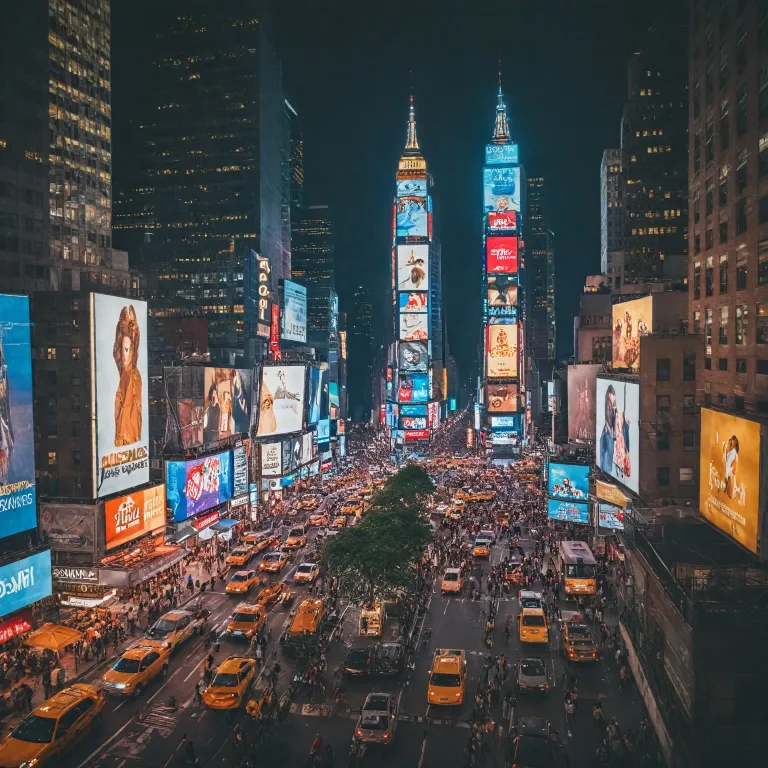
Understanding the dynamics of hotel marketing in New York’s hospitality landscape
Hotel marketing in New York is defined by fierce competition, diverse guest profiles, and the constant evolution of digital channels. The city’s hotels, from boutique hotel gems to luxury hospitality brands, must deploy creative marketing strategies to maintain a strong online presence and drive bookings. The implementation of Local Law 18, which imposed strict regulations on short-term rentals, has shifted the competitive landscape, benefiting hotels by reducing alternative accommodation options and increasing occupancy rates. Marketing teams and agencies now focus on leveraging digital marketing, paid media, and social media to reach both domestic and international guests. The use of data analytics has become essential, allowing hotels to design targeted campaigns that resonate with specific segments and maximize direct bookings through their booking engine. Hospitality marketing in New York is not just about visibility; it’s about crafting a brand narrative that stands out in a city visited by over 64 million people annually. The integration of full service marketing services, from SEO to creative design, ensures that hotels and resorts remain top of mind for travelers. As the city’s hospitality industry continues to recover and grow, the role of marketing agencies and in-house teams in shaping the guest experience and driving long term value has never been more critical.
Digital transformation: how hotels and agencies harness digital marketing and social media
The digital revolution has redefined hotel marketing in New York, with digital marketing and social media at the core of every successful campaign. Hotels and marketing agencies collaborate to create engaging content, manage paid media campaigns, and optimize their online presence across platforms. Social media is not only a channel for promotion but also a tool for real-time guest engagement and reputation management. Boutique hotels and luxury hospitality brands use creative design and storytelling to differentiate themselves, while larger hospitality brands leverage data-driven marketing strategies to scale their reach. The rise of influencer partnerships and user-generated content has further amplified the impact of social media, helping hotels connect authentically with potential guests. Digital marketing agencies offer full service solutions, from SEO and SEM to programmatic advertising, ensuring that hotels maximize visibility and drive bookings. The integration of CRM systems and advanced analytics enables teams to personalize offers, track guest preferences, and enhance the booking journey. For those seeking to deepen their expertise in digital marketing for hotels, resources like hotel digital marketing best practices provide actionable insights. As digital channels continue to evolve, staying ahead requires a commitment to innovation, agility, and a guest-centric approach.
Case studies: successful marketing strategies from New York’s leading hotels and resorts
Examining real-world case studies reveals how New York hotels and resorts have adapted their marketing strategies to achieve measurable results. One notable case study involves a luxury hotel brand that partnered with a marketing agency to overhaul its digital marketing approach, resulting in a 20% increase in direct bookings and a significant boost in online presence. Another case highlights a boutique hotel that leveraged creative social media campaigns and paid media to target niche audiences, driving long term loyalty and repeat bookings. Hospitality brands across the city have embraced full service marketing services, integrating SEO, content marketing, and design to build a cohesive brand identity. The use of booking engines optimized for mobile and desktop has streamlined the reservation process, reducing friction and increasing conversion rates. Marketing teams regularly conduct studies to assess campaign effectiveness, using insights to refine strategies and allocate resources efficiently. For those interested in exploring more detailed examples, the hospitality marketing case study collection offers a wealth of inspiration. These cases underscore the importance of adaptability, creativity, and data-driven decision making in hotel marketing in New York.
Building brand equity: the role of creative design and storytelling in hospitality marketing
Brand equity is a cornerstone of successful hotel marketing in New York, where guests are inundated with choices. Creative design and compelling storytelling help hotels and resorts differentiate themselves, fostering emotional connections with guests. Luxury hospitality brands invest in immersive visual content, from high-quality photography to virtual tours, to convey the unique essence of their properties. Boutique hotels often highlight their local partnerships, design elements, and personalized service to appeal to discerning travelers. Marketing agencies play a pivotal role in shaping brand narratives, ensuring consistency across all media and touchpoints. Social media channels provide a platform for hotels to share guest stories, behind-the-scenes content, and exclusive offers, enhancing engagement and loyalty. The integration of creative assets into digital marketing campaigns amplifies reach and reinforces brand positioning. Hospitality marketing teams collaborate closely with design professionals to ensure that every element, from website layout to booking engine interface, reflects the brand’s values and promise. For marketing directors and communication leads, investing in creative resources is not just an aesthetic choice—it’s a strategic imperative that drives bookings and long term growth.
Maximizing direct bookings: strategies for hotels, resorts, and boutique brands
Direct bookings are a key performance indicator for hotel marketing in New York, offering higher margins and greater control over the guest relationship. Hotels and resorts deploy a range of marketing strategies to encourage guests to book directly, from exclusive packages to loyalty programs and personalized offers. The optimization of booking engines, combined with targeted digital marketing and paid media, ensures that guests have a seamless reservation experience. Hospitality brands invest in robust CRM systems to capture guest data, enabling tailored communications and upselling opportunities. Marketing agencies support hotels by designing campaigns that highlight the benefits of direct bookings, such as flexible cancellation policies and added amenities. Social media and email marketing are leveraged to nurture relationships with past and prospective guests, driving repeat business and referrals. The use of studies and analytics allows teams to identify booking patterns and adjust tactics for maximum impact. As competition intensifies, the ability to drive bookings through owned channels will remain a top priority for hospitality marketing professionals.
Long term growth: the future of hospitality marketing in New York
The future of hotel marketing in New York hinges on adaptability, innovation, and a relentless focus on guest experience. Hospitality brands, from independent boutique hotels to global groups, must continuously evolve their marketing strategies to stay relevant in a dynamic market. The adoption of advanced digital marketing tools, data analytics, and creative design will be essential for sustaining long term growth. Marketing agencies and in-house teams will need to collaborate closely, sharing insights and best practices to maximize results. The integration of social media, paid media, and digital marketing will remain central to driving bookings and building brand loyalty. As regulations and guest expectations shift, hotels and resorts must remain agile, leveraging studies and case studies to inform decision making. The hospitality industry’s resilience, as demonstrated by its recovery from recent challenges, underscores the importance of strategic marketing in achieving business objectives. By prioritizing innovation, guest-centricity, and operational excellence, hotel marketing in New York will continue to thrive in the years ahead.
Key statistics shaping hotel marketing in New York
- Hotel occupancy rate in NYC: 84%
- Average daily rate (ADR): 313.39 USD
- Revenue per available room (RevPAR): 245.77 USD
- Number of visitors to NYC: 62,200,000 people
- Projected visitors to NYC: 64,500,000 people
Frequently asked questions about hotel marketing in New York
How has Local Law 18 affected the hotel industry in New York City?
Local Law 18, implemented in September 2023, imposed strict regulations on short-term rentals, leading to a significant reduction in Airbnb listings. This has benefited the hotel industry by reducing competition from short-term rentals, resulting in higher occupancy rates and average daily rates.
What are the key marketing strategies employed by New York City hotels?
New York City hotels utilize digital marketing campaigns, partnerships with travel agencies, and personalized promotions to attract a diverse customer base. They also leverage social media and SEO to enhance their online presence.
What impact did the COVID-19 pandemic have on New York City's hotel industry?
The COVID-19 pandemic led to a significant decline in tourism, resulting in lower occupancy rates and revenue. However, the industry has shown resilience, with a strong recovery observed in subsequent years, marked by increased visitor numbers and higher RevPAR.