Why handling an irate customer is now a core branding skill
Every hotel brand promise is tested the moment an irate customer raises their voice. For marketing and communication leaders, the question is not only how you can handle irate customer interactions operationally, but how you transform these tense moments into proof that your brand keeps its word. When angry customers challenge your service standards at reception, on customer phone calls, or on social media, they are also stress testing your positioning, your storytelling, and your reputation management strategy.
Hospitality data shows that the cost of US customer churn from poor service reaches 75 billion dollars annually, a figure widely cited in Accenture’s 2018 “Digital Disconnect in Customer Engagement” research, which underlines how each unresolved issue silently erodes brand equity over time. In hotels, a single angry customer in the lobby can influence dozens of other customers who are watching the situation unfold, and this live audience makes every interaction a high stakes communication act. For hotel marketing directors and hotel groups, difficult customers are therefore not just an operational problem, but a reputational asset or liability depending on how your team chooses to handle irate guests in the moment.
When a guest becomes an irate customer, the marketing question becomes very concrete and very local. Will your customer service agents and every front office agent stay calm, use active listening, and protect the customer experience, or will they react defensively and damage the brand narrative you have invested in for years? The way your contact center and call center teams respond to angry customers must be aligned with your positioning on empathy, premium service, and attention to detail, because every angry customer interaction is now instantly shareable content on review platforms.
Designing a reputation playbook for angry customers across all channels
Hotel marketers who ask how you can handle irate customer situations effectively need a clear, cross channel playbook rather than a collection of ad hoc reactions. This playbook should align customer service scripts, CRM data, and communication guidelines so that every agent in every center, from the call center to the social media team, can handle irate guests with the same tone and the same level of care. When an angry customer calls about a booking issue or a service failure, the guest should feel the same calm, structured response whether they speak to reception, reservations, or the corporate contact center.
Regulatory and brand risk are now tightly linked, which is why reputation management must be coordinated with compliance and quality processes. For marketing leaders, turning hospitality compliance solutions into a strategic advantage means using complaint data to refine positioning, improve customer experience, and reduce the volume of irate customers over time. When you frame every angry customer interaction as both a risk and a source of customer feedback, you can brief your agents to stay calm, apologize for the inconvenience sincerely, and then route the problem into a continuous improvement loop that will help your teams refine offers and communication.
In this context, the classic question “How can I calm an irate customer?” has a very operational answer in hospitality: “Listen actively, empathize, and offer a solution.” This quote should be printed in your playbook and trained across all customer service teams, because it captures the essence of active listening and emotional intelligence. When your agents and managers understand that dealing with angry guests is not about winning an argument but about protecting the company reputation, they can focus on resolution and support instead of blame and frustration.
From crisis to choreography: scripting the perfect response in real time
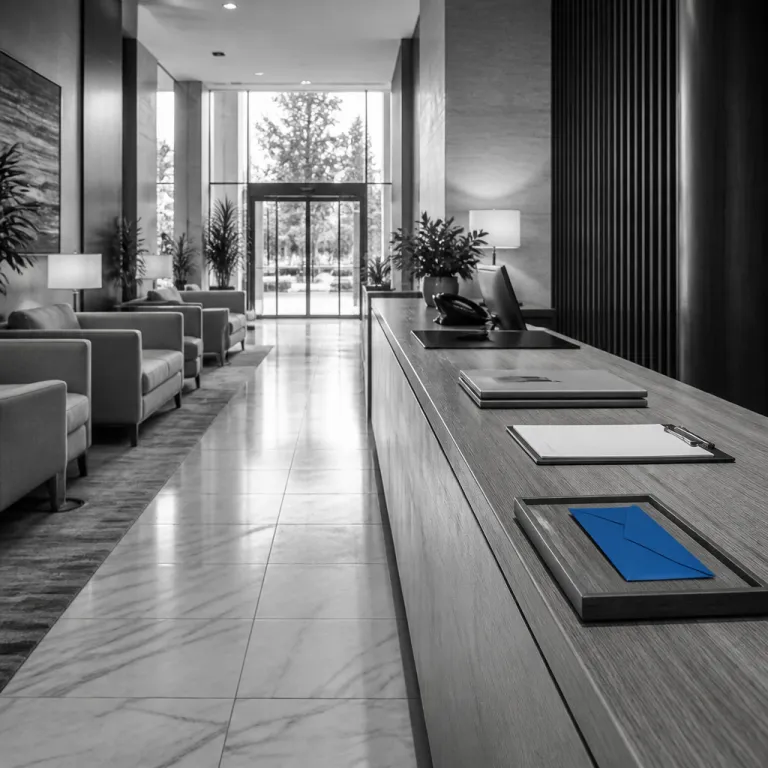
Handling an irate customer in a hotel lobby or on a late night call is closer to live theatre than to back office process. The first seconds of the call or face to face interaction set the tone, and the way the agent greets the customer can either escalate the situation or calm it down. When angry customers arrive at the front desk after a delayed flight and a lost reservation, your team must move from surprise to structured response in less than a minute.
A practical script for dealing with angry guests starts with active listening and a visible pause. The agent should let the irate customer explain the issue without interruption, take notes, and show with body language and short verbal cues that they understand the problem and the impact on the guest experience. Only after this listening phase should the agent apologize for the inconvenience, summarize the situation in their own words, and propose a resolution that feels proportionate to the time lost and the emotional stress endured by the customer.
In one 2023 case from a city center hotel, a guest arrived at midnight to find their room overbooked and began shouting at the front desk. The agent followed the playbook: listened for 90 seconds without interrupting, repeated back the key facts, apologized clearly, and offered an immediate transfer to a nearby partner property plus complimentary transport and breakfast. The interaction moved from crisis to calm in under three minutes, and the guest later updated their review from one to four stars, explicitly praising how the hotel handled the mistake.
To make this choreography repeatable, hotel marketers should work with operations to create lighter audits that operators actually act on, using tools such as hotel quality management without the binder to track how agents handle irate guests in real situations. These audits can analyze recordings from the call center, transcripts from AI chatbots in the contact center, and on site observations of difficult customers at reception. When you review these interactions with your agents, you can coach them on how to stay calm, how to use phrases like “Dear customer, I understand why you are angry” without sounding scripted, and how to move quickly from empathy to concrete support and resolution.
Leveraging AI, contact centers and data to support front line agents
Marketing and acquisition leaders who ask how you can handle irate customer interactions at scale must think beyond individual training and look at system design. Modern contact center platforms and CRM tools allow you to route angry customers to the best equipped agents, surface relevant service information instantly, and provide real time coaching prompts that will help staff stay calm under pressure. When customers phone the call center late at night about overbooked rooms or billing errors, AI can pre qualify the issue so that the human agent can focus on empathy and resolution rather than data entry.
Operational data from hospitality contact centers suggests that a majority of irate calls can be de escalated before the three minute mark when agents use structured techniques, which confirms that process and scripting matter as much as individual talent. In hotels, this means designing clear flows for different types of problem, from room cleanliness complaints to loyalty point disputes, and ensuring that every agent knows what they can offer without waiting for a manager. When your customer service center uses AI to suggest next best actions and to highlight similar past cases, the agent can reassure the angry customer that the company has solved this situation before and will solve it again quickly.
AI chatbots can also handle the first wave of irate customers on messaging channels, collecting key facts about the issue and the time of stay before escalating to a human. This hybrid model protects the customer experience by reducing waiting time, while still allowing a trained agent to use active listening and nuanced language when dealing with angry guests. For hotel marketers, the strategic question is how to brand these tools so that customers understand they are part of a premium support ecosystem rather than a way for the company to avoid human contact.
Aligning on site teams and marketing to protect brand visibility
Reputation management in hospitality is no longer limited to post stay surveys and glossy campaigns. When an irate customer complains loudly at breakfast or posts a live video from the lobby, the incident becomes a visibility event that marketing and communication teams must manage in real time. The way your front office agent responds to angry customers is therefore as strategic as any paid media campaign, because it shapes the narrative that will circulate on review platforms and social networks.
To align teams, hotel groups should run joint workshops where marketing, operations, and customer service agents review real cases of difficult customers and co design responses. These sessions can use anonymized customer feedback from CRM systems, transcripts from the call center, and social media comments to map the full customer experience around each issue. When everyone sees how a single angry customer can generate dozens of comments and influence search rankings, they understand why it is vital to stay calm, apologize for the inconvenience sincerely, and provide visible support and resolution on the spot.
Brand visibility is also shaped by how you communicate after the crisis. A follow up email or call that starts with “Dear customer, thank you for your feedback and for giving us the time to improve” can turn irate customers into advocates if the resolution was handled well. Marketing teams can then invite these customers to update their reviews, share their improved experience, or participate in case studies about how the company listens and responds, which reinforces your positioning as a guest centric brand.
From complaint to advocacy: using feedback loops to elevate guest experience
The most advanced hotel marketers no longer ask only how you can handle irate customer complaints, but how you can transform them into structured learning. Every angry customer interaction contains precise information about gaps in service design, communication, or operations, and this information is too valuable to leave in the call center logs. When you treat difficult customers as a high resolution sensor for your brand, you can prioritize investments that will help reduce friction and improve the overall customer experience.
To do this, you need a clear feedback loop that connects the contact center, on site teams, and the marketing and product teams. Each time agents handle irate guests, they should log the issue type, the time to resolution, and the compensation offered, so that the company can identify patterns and root causes. When 96 percent of unhappy customers do not complain but simply leave, according to research from Harvard Business Review’s “The Value of Customer Experience, Quantified,” the few irate customers who do speak up become statistically precious, because they reveal problems that many silent customers also experience.
Marketing leaders can then use this customer feedback to refine messaging, adjust expectations, and highlight improvements in campaigns about brand visibility and guest experience. Content about how hotels hiring in Los Angeles can elevate brand visibility and guest experience, for example, can integrate real stories of how agents learned to deal with angry guests more effectively and how these changes improved review scores. Over time, the way you handle irate guests becomes a signature of your brand, signaling to future customers that if something goes wrong, the company will respond quickly, stay calm, and provide fair resolution without drama.
Key figures that redefine reputation management with irate guests
- The cost of US customer churn from poor service is estimated at 75 billion dollars annually in Accenture’s 2018 “Digital Disconnect in Customer Engagement” research, which shows how unresolved angry customers can silently erode revenue and brand equity for hotel groups.
- Research from Harvard Business Review’s “The Value of Customer Experience, Quantified” indicates that 96 percent of unhappy customers never complain but simply leave, meaning that each irate customer who does raise an issue represents many silent guests who experienced the same problem without contacting customer service.
- Internal benchmarks from hospitality contact centers show that when agents follow a clear script and acknowledge the issue within 30 seconds, more than half of irate calls can be de escalated before the three minute mark, which confirms that training on active listening and calm, scripted responses can dramatically improve resolution rates in hotel contact centers.
FAQ about handling irate guests in hospitality marketing
How can I calm an irate guest at the front desk?
Start by letting the irate customer speak without interruption, maintain open body language, and use active listening to show you understand the issue. Then summarize the problem in your own words, apologize for the inconvenience clearly, and propose a concrete resolution with a clear time frame. Staying calm and transparent helps the customer feel respected, which usually reduces anger quickly.
What should I avoid when dealing with angry customers in a hotel?
Avoid interrupting the customer, minimizing their experience, or blaming other departments, because these reactions often escalate the situation. Do not hide behind policy language when a flexible solution is possible, and never argue about who is right in front of other guests. Focus instead on empathy, support, and what the company can do now to fix the problem.
Why is it so important for hotel brands to handle irate customers effectively?
Effective handling of irate customers protects both immediate revenue and long term reputation, because each visible incident can influence many potential guests. When a hotel resolves an issue quickly and fairly, the angry customer often becomes more loyal than if nothing had gone wrong, which improves retention and word of mouth. Poor handling, by contrast, generates negative reviews and social media content that can damage brand visibility for months.
How can marketing teams support contact center agents who face difficult customers?
Marketing teams can provide clear messaging guidelines, empathy based scripts, and brand aligned compensation frameworks so that agents know how far they can go to resolve issues. They can also analyze customer feedback data to identify recurring problems and work with operations to fix root causes, reducing the volume of irate customers over time. Regular joint training sessions help ensure that every agent, from the call center to the front desk, represents the brand consistently when dealing with angry guests.
What role does AI play in handling irate guests in hospitality?
AI can pre qualify complaints, route irate customers to the best suited agents, and suggest next best actions based on similar past cases, which speeds up resolution. Chatbots can handle simple issues and collect key facts before handing over to a human, allowing agents to focus on empathy and complex problem solving. For hotel marketers, the challenge is to integrate these tools in a way that enhances the customer experience rather than making the company feel distant or automated.
What is a short script I can give my front desk team today?
A simple, copy ready script is: “Dear customer, I can see this situation is frustrating. Let me quickly recap what happened to be sure I understand, then I will propose a solution and a clear timing to fix it for you.”