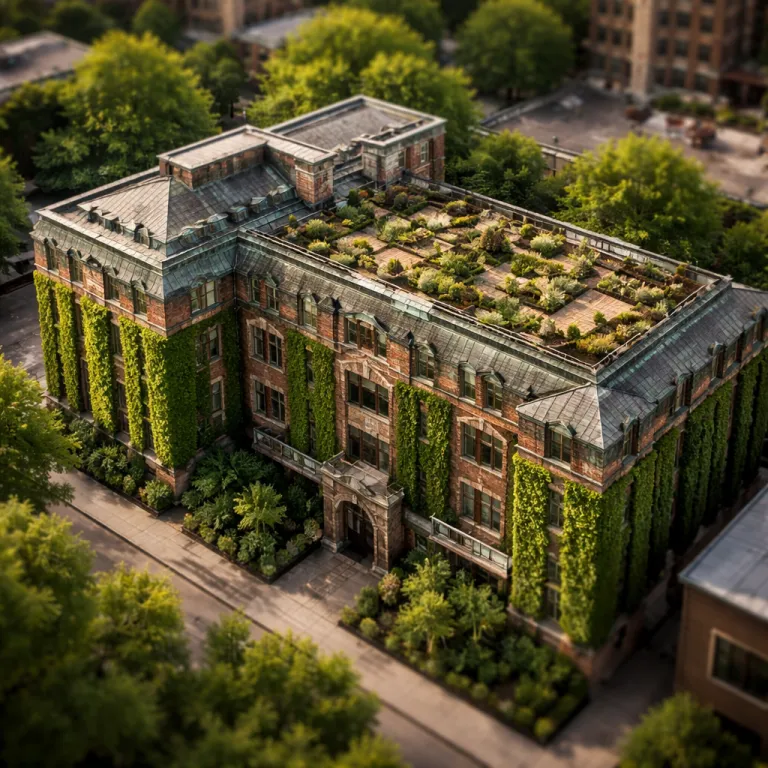
From gardner school to grand gardner hotel: a visibility blueprint for historic projects
The transformation of the former gardner school building into the grand gardner hotel offers a rare marketing laboratory for hospitality leaders. This historic building in Valparaiso, Indiana, shows how a construction project can become a communication asset long before completion. For directeurs marketing d'hôtel and agencies, the way this hotel will narrate its rebirth matters as much as the bricks and mortar.
The original school building, dating from the end of the nineteenth century, anchors the project in local memory. By positioning the grand gardner hotel as a guardian of heritage, the brand can connect emotionally with the community and with culturally motivated travelers. This approach turns every reference to the gardner school and its classrooms into storytelling material that enriches the hotel development narrative.
The building will reopen as a boutique property with around fifty rooms, yet its communication potential extends far beyond its total key count. The hotel will sit close to downtown Valparaiso, in an area where walkability, local restaurants, and cultural venues already attract visitors. For marketing teams, the surrounding city becomes part of the product, and every view of the historic façade reinforces the sense of place.
Because the construction project repurposes a former public asset, the hotel will naturally invite scrutiny from residents and local media. A thoughtful public private communication strategy can turn that scrutiny into advocacy, especially when the project highlights benefits for the wider area. Used well, the grand gardner and gardner hotel names can become shorthand for responsible development in this part of Michigan’s cross state visitor flows.
Designing a public private narrative around construction, community and heritage
Marketing leaders working on the grand gardner hotel must treat the construction phase as a staged communication campaign. The building will pass through visible milestones, from façade restoration to interior fit out, each offering content opportunities. Instead of hiding scaffolding, the project can frame construction as a live story about preservation and innovation.
Because the hotel will occupy a former school building, the narrative can highlight learning, creativity, and intergenerational memory. Campaigns that invite former gardner school students to share photographs or anecdotes can strengthen ties with the community. These contributions can later animate corridors, meeting rooms, and digital channels, turning user generated content into permanent brand assets.
The public private dimension is equally strategic, since the project sits in a historic downtown area where residents care about traffic, noise, and access. Transparent updates about the construction project, including timelines, safety measures, and expected completion, help maintain trust. When the hotel will communicate how it will include local artisans, suppliers, and cultural partners, it positions itself as an economic catalyst rather than an isolated building.
For communication teams, the city of Valparaiso and the wider Michigan catchment become essential storytelling backdrops. Articles about regional restaurant industry news and evolving hospitality marketing strategies, such as those discussed in specialized hospitality marketing analyses, can inspire how to frame local food and beverage partnerships. In parallel, the grand gardner and gardner hotel brands can emphasize walkable access to downtown attractions, reinforcing the idea that the hotel will serve as a gateway to the city rather than a self contained resort.
Turning architectural features into communication assets for grand gardner hotel
The physical building of the grand gardner hotel is more than a backdrop ; it is a central character in the marketing script. Every architectural detail of the former gardner school, from brickwork to staircases, can support differentiated positioning. When the construction project respects original lines while integrating modern comforts, the contrast becomes a powerful visual language.
Marketing teams should plan content that follows the building will evolve, from raw classrooms to finished suites. Time lapse videos, behind the scenes tours, and interviews with architects can explain how the hotel development balances historic preservation with contemporary expectations. This approach reassures guests that the hotel will offer both authenticity and comfort, not a museum experience.
Key amenities such as the fitness center, rooftop breakfast area, and potential space speakeasy concept can each anchor specific campaigns. For example, a rooftop breakfast with a panoramic view over downtown Valparaiso and the surrounding area can target urban leisure travelers. A discreet space speakeasy in the old school building basement can speak to locals and visitors seeking intimate, story rich experiences.
Digital twins and immersive previews, similar to those explored in advanced hotel marketing case studies like virtual experience driven hotel marketing, can help guests visualize the completed project. By mapping each room type, corridor, and public space, the grand gardner and gardner hotel brands can show how the building will include both quiet corners and social hubs. This level of detail supports higher value direct bookings and strengthens the perception of a thoughtfully curated construction project.
Leveraging downtown Valparaiso and the wider area in acquisition strategies
For responsables acquisition and travel marketing agencies, the location of the grand gardner hotel in downtown Valparaiso is a strategic advantage. The city offers a compact, walkable area with restaurants, cultural venues, and university life that enrich the guest experience. Positioning the hotel as a base camp for exploring both the historic city center and the broader Michigan and Indiana region can widen demand.
Campaigns should emphasize that the hotel will include curated itineraries, from heritage walks around the old school building district to day trips across the state line. The view from the rooftop breakfast terrace can feature in paid media, social storytelling, and email nurturing sequences. Each visual reinforces the idea that the grand gardner and gardner hotel brands connect guests with the surrounding community rather than isolating them.
To optimize acquisition costs, marketing leaders can combine content driven SEO with targeted PPC, especially around terms related to historic hotel experiences and boutique construction project stories. Resources such as strategic PPC for maximizing direct bookings offer frameworks to align bidding strategies with high intent segments. When the hotel will highlight its public private roots and heritage credentials, it can justify premium pricing while still converting efficiently.
Partnerships with the local tourism office and regional attractions can extend reach into new markets, including cultural groups and educational travelers. The building will naturally appeal to alumni of the gardner school and their families, who may organize reunions or events on site. By integrating these segments into CRM journeys, the hotel development team ensures that the total marketing effort reflects both the physical construction and the emotional architecture of the brand.
Programming spaces: from fitness center to space speakeasy as brand amplifiers
Within the grand gardner hotel, each internal space should carry a clear communication role. The fitness center, for example, speaks to modern expectations of wellness, especially for corporate and long stay guests. By highlighting natural light, historic brick walls, or a view over the city, the hotel will turn a functional room into an Instagram ready talking point.
The rooftop breakfast area offers another high impact storytelling platform, particularly if it frames the skyline of downtown Valparaiso and the surrounding area. Morning content can show how the building will connect guests with the rhythm of the city, from school bells to market days. This reinforces the idea that the former gardner school building still participates in community life, only now as a hotel rather than an educational institution.
A carefully curated space speakeasy, potentially located in a lower level of the historic building, can deepen the narrative. References to the gardner school past, such as repurposed lockers or blackboards, can create a sense of playful nostalgia. For communication teams, this venue becomes ideal for hosting media, influencers, and public private partners who will amplify the story of the construction project and its completion.
Event programming across these spaces should align with the broader hotel development strategy, from soft opening to full launch. The building will benefit from a calendar that includes community focused gatherings, such as local art exhibitions or school themed talks. When the grand gardner and gardner hotel brands consistently show how each space will include both locals and travelers, they strengthen their position as a cultural hub rather than a closed private enclave.
Measurement, governance and long term brand stewardship for grand gardner hotel
Once the grand gardner hotel opens its doors, marketing and communication leaders must shift from project storytelling to long term brand stewardship. The building will continue to evolve, and so should the narrative that connects the hotel with the community and the wider Michigan and Indiana visitor flows. Robust measurement frameworks are essential to guide these decisions.
Key performance indicators should track not only occupancy and average daily rate, but also engagement with heritage related content, local partnerships, and public private initiatives. The hotel will benefit from monitoring how often guests mention the gardner school, the rooftop breakfast, the fitness center, or the space speakeasy in reviews. These qualitative signals reveal whether the construction project’s original promises translate into lived experiences.
Governance structures must ensure that the building will remain aligned with preservation standards while accommodating future upgrades. Collaboration with city authorities, heritage organizations, and community groups helps maintain credibility when new development phases arise. When the hotel will include local voices in advisory boards or programming committees, it reinforces trust and reduces resistance to change.
For groups hôteliers and independent owners observing the grand gardner and gardner hotel case, the main lesson is clear. A historic construction project in a downtown area can become a long term marketing asset if treated as a shared civic endeavor. By integrating architectural storytelling, community engagement, and data informed acquisition strategies, hospitality brands can turn every brick of a former school building into a durable source of visibility.
Key statistics on historic hotel development and community impact
- Adaptive reuse projects in historic buildings can reduce construction related emissions by up to 50 % compared with full demolition and rebuild.
- Hotels located in walkable downtown areas often see up to 20 % higher direct booking conversion rates than comparable suburban properties.
- Properties that integrate local community programming into at least 30 % of their annual event calendar typically report stronger review scores and repeat visitation.
- Boutique hotels with fewer than 100 rooms in heritage buildings frequently achieve higher average daily rates than larger non historic competitors in the same city.
Questions marketing leaders ask about grand gardner hotel and similar projects
When will the Grand Gardner Hotel open?
When will the Grand Gardner Hotel open?
What is the address of the Grand Gardner Hotel?
What is the address of the Grand Gardner Hotel?
What was the building's original purpose?
What was the building's original purpose?
What amenities will the hotel offer?
What amenities will the hotel offer?
Is the hotel near downtown attractions?
Is the hotel near downtown attractions?