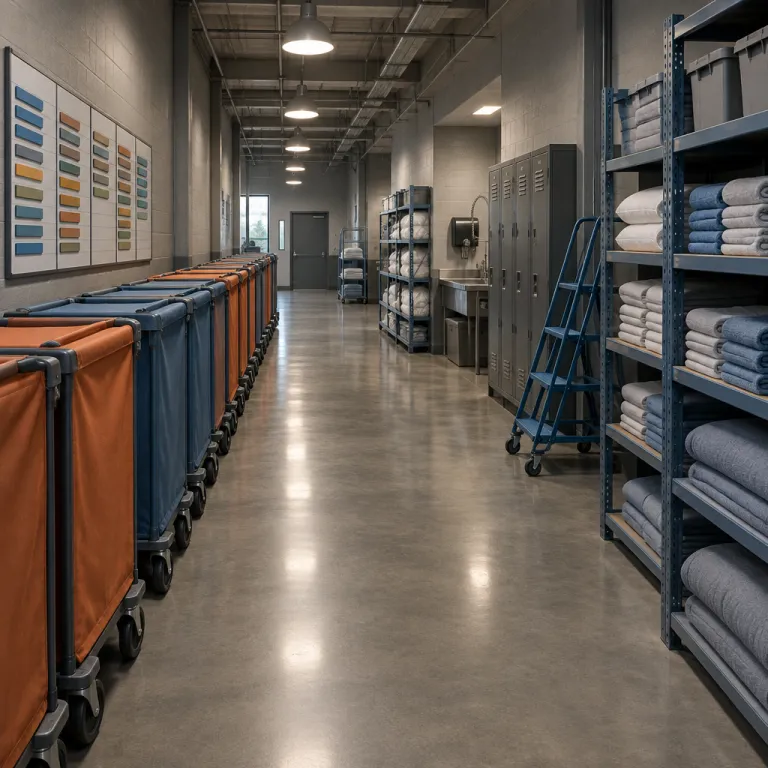
Why transient housekeeping metrics fail for extended stay economics
Most hotel executives still benchmark housekeeping with transient metrics like minutes per occupied room. Yet an extended stay housekeeping model behaves differently because the average stay is longer, the cleaning frequency is lower, and the depth of each clean varies dramatically. When you apply a transient stay model to longer stays, you distort both labour planning and guest experience.
In traditional hotels, a room attendant MPOR of around 24 minutes feels reasonable, but that transient weighted average hides how extended stay rooms consume labour in bursts. A stay hotel with many long term corporate guests might show a lower daily MPOR, while still requiring higher labour on weekly deep cleaning days and at check out. For hotel brands that report profit GOP and gross operating metrics by segment, this masking effect makes extended stay operating profit look either artificially strong or weak depending on the reporting window.
The core issue is that transient hotels offer daily service as a default, while extended stay hotels offer a mix of opt in cleaning, weekly full service, and on demand amenity refresh. A property with 60 percent of rooms on a three day cycle will show fewer rooms cleaned per shift, but each room will require more minutes and more cleaning supplies. For economy midscale brands, especially in the united states where real estate costs are high and rooms are often ranging feet from 23 to 30 square metres, this mismatch between metric and reality quietly erodes profit.
Marketing and commercial leaders need to understand that the extended stay housekeeping model is not just an operating detail. It shapes review scores, repeat stay options, and the positioning of the hotel versus traditional hotels in the same submarket. When guests in suites expect apartment like amenities but receive corridor style daily service, the brand promise breaks, and the cost to re acquire those guests through paid media rises sharply.
Designing an opt in extended stay housekeeping model that guests actually value
Opt in housekeeping is often framed as a pure cost control lever, but the operators who win treat it as a value exchange. When extended stay guests understand the stay model and feel in control of cleaning frequency, satisfaction scores rise while labour hours fall. The key is to design the offer so that guests perceive higher flexibility, not lower service.
Across the united states, data from economy midscale stay hotels shows that opt in housekeeping can reduce labour requirements by 20 to 30 percent when properly communicated. A midscale stay hotel that positions weekly full cleans as the default, with the option to add light service days in exchange for loyalty points or food and beverage credits, often sees adoption rates above half of all longer stays. For hotel brands that track operating profit at the segment level, this shift can add several percentage points to gross operating margin without touching rate.
Communication is where marketing and communication teams earn their seat at the operating table. Pre arrival emails should explain how the extended stay housekeeping model works, what amenities are refreshed automatically, and how guests can request extra service through the app or messaging. On property, clear signage in rooms and at guest laundry areas reinforces that the hotel will clean deeply on a set schedule, while guests can request extra towels or trash removal as needed.
For commercial leaders, this is also a positioning story in the economy and midscale space. When you present opt in cleaning as a way to protect privacy, reduce interruptions, and keep rates lower for long term guests, you align the model with traveller expectations. Conferences that focus on hospitality marketing strategies in the united states, such as those analysed in this piece on how top travel conferences reshape hospitality marketing strategies, increasingly highlight this shift from housekeeping as a hidden cost centre to a visible part of the guest value proposition.
Staffing ratios, deep clean scheduling, and the new labour math
Once you accept that extended stay housekeeping is structurally different, the staffing ratios must change. A property where 40 to 60 percent of rooms are on a three day or weekly clean cycle cannot be staffed with the same rooms per shift logic used in transient hotels. Instead, operators who have fixed the model build schedules around cleaning events, not just occupied rooms.
Start by mapping your inventory of rooms and suites into clear cleaning patterns, such as daily light service, three day refresh, weekly full clean, and check out deep clean. For each pattern, calculate realistic minutes per cleaning event, including time to restock amenities, inspect the room, and handle guest requests. When you aggregate these events across the week, you will see peaks on certain days where many long term stays align for deep cleaning, and those peaks must be flattened.
Leading extended stay hotel brands stagger weekly full cleans across all seven days, using the PMS to assign different stay options at check in. A guest arriving on Monday might have a full clean scheduled for Thursday, while a Friday arrival is assigned Tuesday, which spreads labour demand and stabilises operating profit. Conferences such as the Hunter Hotel Investment Conference marketing strategy analysis increasingly showcase case studies where this scheduling discipline directly improves profit GOP and guest satisfaction.
Properties like WoodSpring Suites in the united states, which operate with lean teams and a strong focus on long term guests, illustrate how this works in practice. Their extended stay housekeeping model emphasises fewer but deeper cleans, combined with robust guest laundry facilities and self service amenities that keep rooms clean between visits. For real estate investors evaluating operating profit and gross operating performance, this predictable labour pattern is often more attractive than the volatility of traditional hotels that chase high occupancy with daily service.
Quality control, technology enablers, and the marketing upside of a cleaner stay
Reduced frequency cleaning does not mean reduced standards, but it does require a different quality control playbook. In an extended stay context, the risk is not that rooms are dirty on day one, but that cleanliness drifts over time in ways that are hard to detect. Operators who have fixed the model build inspection routines around risk points, not just check out moments.
IoT sensors for occupancy detection can signal when a room has been continuously occupied for many days without a housekeeping entry, prompting a courtesy check or amenity drop. Mobile task management tools allow supervisors to assign targeted inspections for suites that show repeated guest complaints, unusual energy usage, or skipped cleans. Automated supply ordering linked to room status ensures that cleaning products and amenities are available when needed, which prevents last minute service failures that guests experience as broken promises.
For marketing and communication leaders, this operational discipline is a brand asset. A consistently clean extended stay experience supports higher review scores, stronger direct booking conversion, and a credible narrative in performance marketing campaigns about reliability and comfort. When you can state that your extended stay housekeeping model delivers fewer interruptions, cleaner rooms, and better sleep for long term guests, you give your media team a concrete proof point instead of generic service claims.
Technology also unlocks new storytelling angles around sustainability and guest choice. Opt in cleaning, supported by sensors and smart scheduling, reduces water and chemical usage while keeping operating costs lower, which resonates with both leisure and corporate buyers. Industry leaders who share these results at events and in case studies often see their hotels offer a differentiated stay model that caters to guests seeking longer stays without sacrificing cleanliness or comfort.
From housekeeping cost centre to commercial lever for extended stay brands
For a Hotel Tech and Innovation Lead, the housekeeping transformation is not just an operational project. It is a commercial lever that touches pricing, segmentation, loyalty, and even employer branding. When you treat the extended stay housekeeping model as part of your revenue strategy, you unlock new ways to cater guests and grow profit.
Different hotel brands in the economy and midscale segments can position their stay options along a spectrum from ultra lean to high touch. An economy midscale property might emphasise lower rates, self service amenities, and robust guest laundry, while a higher midscale stay hotel could bundle more frequent cleaning and upgraded room products into premium packages. In both cases, the operating model must be explicit, so that guests understand what level of clean and service they are buying for their long term stay.
Labour strategy is central to this repositioning. As highlighted in this analysis of how hospitality recruitment is reshaping hotel marketing, properties that invest in clear role design, realistic workloads, and technology support see better retention and more consistent service. When room attendants work with predictable schedules, balanced deep clean days, and mobile tools that reduce wasted steps, their productivity improves and operating profit follows.
For real estate owners and asset managers, the message is equally clear. Extended stay assets in the united states that run a disciplined stay model, with suites and rooms designed for longer stays and housekeeping tuned to that reality, often deliver stronger profit GOP than comparable traditional hotels. The combination of lower daily cleaning frequency, stable demand from long term guests, and efficient use of amenities creates a resilient gross operating profile that supports higher valuations and more attractive financing terms.
FAQ
How should I calculate housekeeping staffing for an extended stay hotel ?
Start by segmenting your rooms and suites into cleaning patterns such as daily light service, three day refresh, weekly full clean, and check out deep clean. Assign realistic minutes per event for each pattern, then aggregate those events across the week to identify labour peaks and adjust schedules to spread deep cleans. This event based approach produces more accurate staffing ratios than traditional rooms per shift metrics used in transient hotels.
What incentives work best for opt in housekeeping in longer stays ?
Guests respond well when opt in housekeeping is framed as a choice that protects privacy and keeps rates competitive. Loyalty points, small food and beverage credits, or late check out vouchers are effective incentives, especially when communicated clearly in pre arrival emails and in room collateral. The goal is to make guests feel they are gaining value, not losing service.
How can technology improve quality control in an extended stay housekeeping model ?
IoT occupancy sensors help identify rooms that have gone many days without a housekeeping visit, which can trigger targeted checks. Mobile task management platforms allow supervisors to assign and track inspections, deep cleans, and guest requests in real time. Integrating these tools with the PMS and inventory systems ensures that cleaning tasks, staffing, and supplies stay aligned with actual demand.
Why is extended stay housekeeping important for marketing and brand positioning ?
Housekeeping performance directly influences review scores, repeat bookings, and the credibility of your brand promise. A well designed extended stay housekeeping model supports messaging around comfort, reliability, and value for long term guests, which improves conversion in both direct and indirect channels. When marketing teams can reference concrete operational practices, their campaigns feel more authentic and persuasive.
How does extended stay housekeeping affect operating profit and asset value ?
Efficient extended stay housekeeping reduces labour volatility, stabilises gross operating performance, and supports higher profit GOP over time. Investors and asset managers value this predictability, especially in markets where real estate costs and wages are rising. Properties that align their stay model, amenities, and staffing with longer stays often achieve stronger valuations than comparable traditional hotels that rely on daily service.