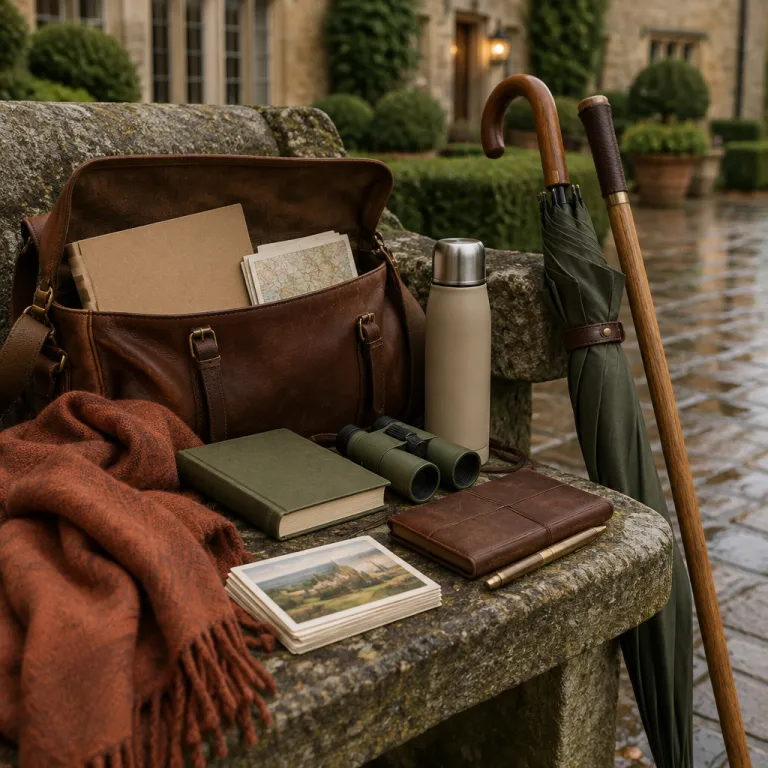
Positioning luxury walking tours in England as a flagship destination narrative
Luxury walking tours in England give hotel marketers a rare narrative asset. When a walking tour becomes the core story of a trip, the hotel can shift from simple accommodation to curator of a complete luxury walking experience. This repositioning turns each path and each activity into a branded touchpoint that reinforces your destination marketing strategy.
For Directeurs marketing d'hôtel, the priority is to frame walking in England not as basic hiking but as a deluxe cultural ritual. A carefully designed walking tour that links heritage places, Michelin level dining, and luxury hotels along the trails will appeal to affluent guests seeking meaning, not just scenery. Your communication plan should highlight how every view, every wall path, and every lake district panorama is orchestrated with concierge precision.
Destination campaigns built around luxury walking tours in England work best when they segment by walking holidays profiles. Some guests want easy to moderate trails over three to five days, while others prefer long distance routes that cross the Yorkshire Dales or follow Hadrian’s Wall path in several stages. Your content must show clear details on difficulty, days, and hotels activity options so that each audience instantly recognises its ideal walking holiday.
To make this positioning tangible, create a small set of named hero products. For example, a three day “Lake District Lakes & Lodges Escape” with gentle walking and spa access, a five day “Yorkshire Dales Gourmet Ramble” with farm to table dinners, and a six day “Hadrian’s Wall Heritage Walk” with guided sections and boutique inns. These signature itineraries become the backbone of your messaging and give travel trade partners clear products to promote.
From generic landscapes to signature paths
Too many campaigns show a generic view of England without a defined path. To stand out, you need named itineraries that connect the lake district, the Yorkshire Dales, and coastal wall path sections into recognisable luxury walking products. Each walking tour should have a clear identity, with a name, a story, and a set of deluxe services that guests will remember and share.
Think of your destination as a portfolio of walking England experiences rather than a single tour. One product might focus on lake views and spa hotels, another on gourmet stops and guided walking through historic districts, and a third on long distance hiking for active couples. By structuring your offers this way, you can run precise seasonal campaigns that match expectations and pricing instead of pushing the same generic message all year.
Every luxury walking itinerary should be mapped to specific hotels and places that can co invest in visibility. When you align your lake district partners, your luxury hotels in the Yorkshire Dales, and your boutique properties near Hadrian’s Wall, you create a coherent ecosystem. This ecosystem makes it easier to save media budget, negotiate joint content production, and build a stronger destination brand around walking holidays in England.
VisitEngland reports that countryside and village trips account for roughly one third of domestic overnight holidays in England, with walking and hiking among the most cited activities. By turning your local paths into signature products rather than anonymous scenery, you tap into this existing demand with a premium, clearly differentiated offer.
Designing high value content ecosystems around walking England itineraries
Content for luxury walking tours in England must go far beyond a simple view trip gallery. Your audience expects editorial depth, with details on each path, each activity, and each hotel, presented as a curated journey rather than a brochure. The goal is to make every walking tour feel like a limited edition trip that will not be the same twice.
Start by structuring your content around the natural rhythm of a walking holiday, day by day. For each of the days, show the trails, the expected walking time, the easy to moderate or more demanding sections, and the deluxe touches such as private picnics or spa access at partner hotels. This narrative approach helps guests project themselves into the activity and reassures them about logistics and comfort.
Then layer in thematic angles that resonate with luxury audiences interested in England. One itinerary might emphasise literary heritage along a wall path section, another might focus on lake district art galleries, while a third highlights farm to table dining in the Yorkshire Dales. Each theme gives your communication équipe new storytelling material for social media, newsletters, and B2B presentations to travel agencies.
To keep production efficient, build a modular content library. A single expert interview about Hadrian’s Wall can feed your blog, a short video for social media, and a quote for sales decks, while a photo shoot in the lake district can supply both consumer campaigns and B2B training materials.
Leveraging destination marketing blueprints
Hospitality marketers can learn a lot from destination storytelling case studies in other regions. The way a coastal venue turned a small cove into a global reference for destination marketing, as analysed in this blueprint for destination marketing on a specific coast, offers a useful model. Apply the same logic to a lake district village or a Yorkshire Dales market town that anchors your luxury walking tours in England.
Build a content ecosystem where every partner contributes assets that reinforce the same narrative. Hotels provide behind the scenes stories about preparing for walking holidays guests, guides share insights on trails and local culture, and artisans showcase products that walkers will encounter along the path. This collaborative approach multiplies your organic reach and strengthens your authority as the orchestrator of the walking England experience.
For Directeurs marketing d'hôtel, the editorial calendar should follow the real walking season. Plan inspirational content when travellers start dreaming, detailed planning guides when they book, and live storytelling when the activity peaks. In late season, shift towards reflective pieces that encourage guests to book their next walking holiday while memories are still vivid.
To avoid content fatigue, define two or three recurring editorial pillars such as “Trail Stories”, “Table & Terroir”, and “Behind the Hotel Doors”. Rotate these themes across channels so that every post, article, or newsletter clearly supports your walking England positioning.
Turning luxury walking demand into measurable hotel acquisition
Luxury walking tours in England generate intent that can be captured long before a guest chooses specific hotels. The challenge for responsables acquisition is to connect that early inspiration about a walking holiday to concrete bookings in your properties. This requires a data driven approach that tracks the full path from first view trip to final reservation.
Start by building dedicated landing pages for each walking tour, with clear information on trails, days, and hotels activity options. These pages should integrate booking modules or deep links to partner luxury hotels, so that guests can move seamlessly from reading about a lake district itinerary to reserving a suite. Use tracking parameters to measure which content blocks, such as hiking details or spa descriptions, generate the highest conversion.
Retargeting campaigns should segment audiences by their behaviour around walking holidays content. Someone who spends time on long distance hiking itineraries in the Yorkshire Dales needs different messaging from a guest who focuses on easy to moderate guided walking near Hadrian’s Wall. By aligning your creative assets with these segments, you can save budget and increase both click through rates and final bookings.
Define explicit KPIs before each campaign: for example, target a 20% landing page conversion to enquiry, a 10% uplift in average length of stay for walking packages versus standard bookings, and a minimum 15% share of direct bookings on your hero itineraries. Review these metrics with partners after the season to refine both product and media mix.
From visibility to local economic impact
Destination marketing around walking England is not only about filling rooms. When done well, it supports local economies along the path, from small cafés to heritage sites, and this broader impact strengthens your brand story. Urban regeneration projects that use murals and historic buildings to elevate hospitality visibility, such as those analysed in this case study on murals and historic buildings, show how place making and hotel performance can align.
For lake district and Yorkshire Dales communities, luxury walking tours in England can become a strategic lever to extend the season. By promoting quieter periods as ideal times for calmer trails and more personalised service, hotels and offices de tourisme can smooth demand peaks. During the busiest months, communication can focus on premium pricing justified by high service levels and limited capacity on the most popular trails.
To maintain credibility, share transparent données on how walking holiday campaigns benefit local partners. Show how many days of guided walking were sold, how many trips included visits to small museums, and how many guests extended their holidays by adding extra nights in luxury hotels. This evidence reinforces trust with both travellers and institutional stakeholders who support your destination marketing initiatives.
VisitBritain case studies on rural tourism frequently highlight that visitors who combine outdoor activity with quality local food and culture report higher satisfaction and are more likely to recommend the destination. Use this type of insight in your B2B decks to demonstrate that luxury walking products are not a niche, but a driver of wider economic impact.
Crafting segmented messaging for different luxury walking personas
Not all guests interested in luxury walking tours in England share the same motivations. Some prioritise wellness and gentle walking, others seek challenging hiking, and a third group values cultural immersion above all. Your messaging must reflect these nuances if you want to convert inspiration into concrete walking holiday bookings.
For wellness oriented travellers, emphasise easy to moderate trails, spa focused hotels activity, and slow paced days that balance walking with relaxation. Highlight lake district retreats where guests can enjoy a calm view after a short path through woodland, followed by treatments in luxury hotels with strong wellness positioning. Use language that reassures them that the walking tour is accessible, comfortable, and fully supported by guided walking options if they prefer not to navigate alone.
For more active guests, focus on long distance routes that cross the Yorkshire Dales or follow Hadrian’s Wall path over several days. Describe the hiking challenge in clear terms, with details on elevation, terrain, and daily distances, while underlining the deluxe reward of returning each evening to refined dining and high end rooms. This contrast between effort on the trails and comfort in the hotels is a powerful driver for affluent adventure seekers.
For culturally driven visitors, spotlight literary links, historic villages, and curated encounters with local artisans. A wall path stage combined with a private visit to a Roman site, or a lake district day that ends with a gallery opening, can be more persuasive than pure performance metrics like kilometres walked.
Aligning personas with seasonality
Seasonal messaging should match each persona’s expectations for their trip. Wellness guests often prefer shoulder periods, when temperatures are milder and trails are quieter, so your communication can highlight calm places and flexible walking days. More athletic hikers may be attracted by peak season, when longer daylight hours make ambitious walking England itineraries more appealing.
Families and multigenerational groups planning walking holidays in England need reassurance on logistics. Provide clear information on guided walking services, transfer options between districts, and child friendly activity choices near the lake district or coastal wall path sections. When you show that every detail is handled, from luggage transfers to picnic arrangements, you reduce friction and increase the likelihood that they will book a complete walking tour package.
For high value repeat guests, design exclusive deluxe itineraries that change each year while keeping a familiar rhythm. One season might focus on the lake district, the next on the Yorkshire Dales, and another on a Hadrian’s Wall themed walking holiday, always anchored by trusted luxury hotels. This rolling programme encourages loyalty and positions your destination as the reference for luxury walking tours in England over multiple holidays.
To operationalise this, create simple persona based playbooks for your sales and reservations teams, with key messages, preferred travel windows, and suggested upsell options for each profile.
Building strategic partnerships around luxury walking products
Luxury walking tours in England succeed when hotels, guides, and local institutions act as a coordinated équipe. For groupes hôteliers and independents alike, partnerships are the fastest way to scale visibility without losing authenticity. Offices de tourisme can play a central role by aligning messaging, pooling données, and ensuring that each district presents a coherent walking holiday offer.
Start by mapping all stakeholders along your key trails, from lake district villages to Yorkshire Dales hamlets and Hadrian’s Wall communities. Identify which luxury hotels, boutique properties, and guesthouses can support different levels of walking activity, from easy to moderate to long distance. Then design tiered walking tour products that combine these places into clear packages, each with defined price points and service standards.
Partnership agreements should specify how each partner will contribute to marketing and communication. Hotels might provide content and special offers, guides can share expert commentary on the path and local history, and offices de tourisme can manage centralised view trip pages that showcase all walking England itineraries. This structure helps everyone save time and ensures consistent messaging across channels.
To make collaboration concrete, set up a quarterly partner forum where you review performance, share guest feedback, and agree on adjustments to itineraries, pricing, or capacity for the next season.
Coordinated campaigns and shared ROI
Joint campaigns around luxury walking tours in England should be planned on a multi month horizon. Use early season to align creative assets, the main booking window for awareness and lead generation, and the immediate pre stay period for conversion pushes on last minute walking holiday bookings. During peak months and the tail of the season, focus on on site upsell, encouraging guests to extend their days or add extra activity options such as private guided walking sessions.
To maintain trust, partners need clear visibility on results and ROI. Set shared KPIs such as number of walking holidays sold, average trip length in days, and total nights in partner hotels, and review them after each season. When everyone sees how luxury walking products contribute to occupancy and local spend, it becomes easier to justify continued investment in destination marketing.
Case studies from other regions show that coordinated storytelling around a single theme can transform a district’s image. A detailed analysis of hospitality visibility strategies in Mexico, available in this strategic visibility trends report for hotel marketers, illustrates how thematic campaigns can reposition a destination. Apply similar discipline to your walking England narrative, and your region can become synonymous with refined, nature based luxury.
To go beyond vanity metrics, include indicators such as partner revenue attributed to walking packages, repeat visit rate for walking guests, and proportion of visitors dispersing to secondary villages along the trails.
Optimising digital visibility for luxury walking tours in England
Digital visibility is where luxury walking tours in England either gain traction or remain a niche product. For responsables communication, the objective is to ensure that every search for walking holidays, lake district hiking, or Yorkshire Dales trails leads to your curated offers. This requires a blend of SEO, paid media, and high quality content that reflects real guest expectations.
On your website, structure content around clear themes such as walking holiday itineraries, guided walking services, and luxury hotels near key trails. Each page should provide enough details on the path, the activity level, and the number of days to satisfy both guests and search engines. Use structured data where relevant to highlight hotels, tours, and places, making it easier for AI driven travel tools to surface your offers.
Paid campaigns should target intent rich queries related to walking England, lake district trips, and Hadrian’s Wall experiences. Test different creatives that show a compelling view of the trails, the comfort of deluxe rooms, and the pleasure of returning to refined dining after a day of hiking. Monitor performance by season, adjusting bids and messaging as demand and competition evolve.
To capture higher value demand, build remarketing lists based on micro behaviours such as downloading a walking guide PDF, using a trail length filter, or viewing spa content after reading about a hike. These signals help you tailor ads and email flows to the right level of intensity and luxury.
Human centric storytelling in a data driven world
While données and automation are essential, the emotional core of luxury walking tours in England remains human. Guests want to feel that their walking holiday is designed by people who understand both the land and the meaning of luxury. Your content should reflect this, with real stories from guides, hoteliers, and past guests who walked the same path.
Social media is an ideal space to share micro narratives from the lake district, the Yorkshire Dales, and Hadrian’s Wall. Short posts can highlight a particular view, a small village along the wall path, or a moment of calm by a lake at the end of a long distance stage. Over time, these stories build a rich mental image of walking England that goes far beyond a standard tour brochure.
Email remains a powerful channel to nurture interest in walking holidays and convert it into bookings. Segment your database by past behaviour, such as previous hiking trips or stays in countryside hotels, and send tailored content that matches their likely preferences for easy to moderate or more demanding trails. By aligning human centric storytelling with precise segmentation, you create a virtuous circle where each walking tour campaign becomes more effective than the last.
Encourage user generated content by inviting guests to share their favourite moment from the path and feature selected stories in newsletters or on your website, with permission. This reinforces authenticity and provides fresh material without inflating production costs.
Key statistics on luxury walking tourism and destination marketing
- According to VisitEngland, walking and hiking activities account for a significant share of domestic leisure trips, with countryside and village visits representing around one third of overnight holidays in England; this underlines the strategic value of walking holidays for regional hotels.
- Research from the Adventure Travel Trade Association indicates that adventure travellers, including those booking guided walking and hiking tours, tend to spend more per day than mass market tourists, especially when accommodation is positioned as luxury or deluxe.
- VisitBritain data shows that rural and coastal destinations often achieve higher satisfaction scores when visitors combine outdoor activity such as walking with quality local food and comfortable hotels, reinforcing the importance of integrated walking tour products.
- Studies on seasonality in European walking tourism highlight that shoulder periods such as april to june and september can achieve strong occupancy when marketed as ideal times for easy to moderate trails, helping hotels save revenue otherwise lost to low season gaps.
- Destination marketing organisations that coordinate campaigns across districts and share données on visitor flows typically report better long distance dispersal of guests along trails, which reduces pressure on hotspots and increases economic impact in lesser known places.
When you translate these statistics into your own dashboards, focus on a small set of indicators that you can track consistently year after year, so that progress on luxury walking products becomes visible to both hotel owners and public stakeholders.
FAQ about marketing luxury walking tours in England
How can hotels position themselves as gateways to luxury walking tours in England ?
Hotels should present themselves as curators of complete walking holidays rather than simple accommodation providers. This means offering packaged trips that include trails, guided walking options, luggage transfers, and post hiking wellness services in partnership with local operators. Clear online content and dedicated booking paths help guests understand that the hotel is the natural base for their walking tour.
Which regions of England work best for luxury walking holiday campaigns ?
The lake district, the Yorkshire Dales, and the Hadrian’s Wall corridor are particularly strong for luxury walking tours in England. These districts combine iconic views, varied trails from easy to moderate to more demanding, and a growing inventory of boutique and luxury hotels. Coastal wall path sections and lesser known countryside places can complement these core regions for guests seeking quieter walking experiences.
How should seasonality influence marketing for walking holidays ?
Seasonality is critical for both messaging and pricing. Campaigns for early and mid season should highlight calm trails, personalised service, and value, while the main summer period can focus on vibrant atmospheres and longer days on the path. Late season is ideal for promoting reflective trips and repeat walking holidays that extend the season for hotels.
What role do guided walking services play in luxury positioning ?
Guided walking services add a strong layer of perceived safety, comfort, and cultural depth. For luxury guests, having an expert guide who manages navigation, pacing, and storytelling transforms a simple hike into a curated activity. Hotels that integrate guided walking into their packages can justify higher rates and differentiate their walking England offers from self guided, lower cost alternatives.
How can destination marketers measure the impact of luxury walking campaigns ?
Destination marketers should track a mix of digital and on site KPIs. Key metrics include traffic and conversion on walking tour landing pages, number of walking holidays sold, average trip length in days, and total nights in partner hotels along the trails. Surveys that ask guests whether walking activities influenced their choice of destination provide additional qualitative données to refine future campaigns.
Over time, compare these indicators with regional benchmarks from VisitEngland or VisitBritain to demonstrate how a strong walking narrative contributes to both hotel performance and wider destination competitiveness.