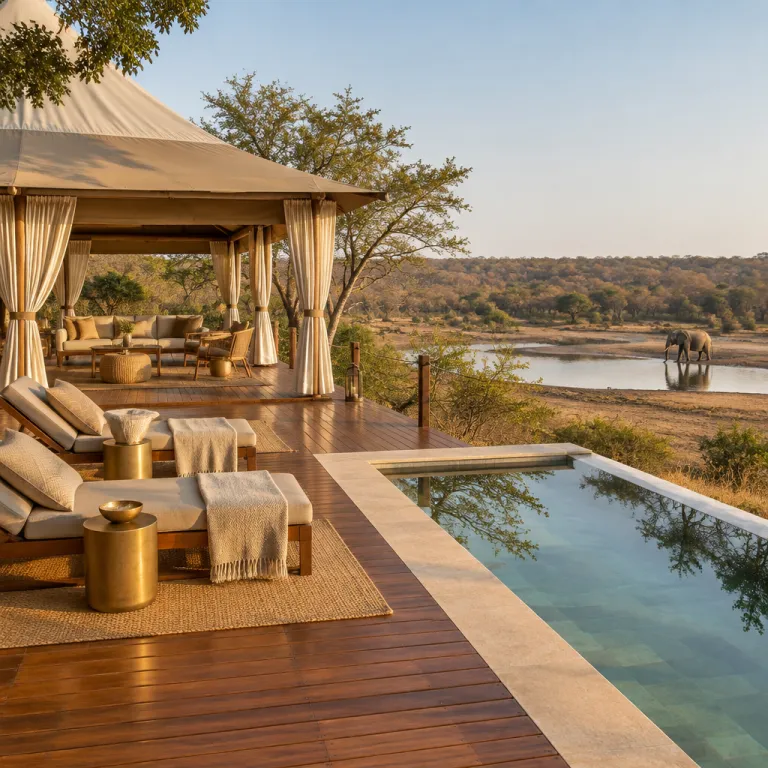
Positioning luxury wildlife lodges in India as destination brands
Luxury wildlife lodges in India can no longer depend solely on proximity to a national park or tiger reserve. Marketing directors must position each property as a destination brand in its own right, not just an access point to a safari gate. This shift changes how you frame wildlife, safari and nature in every campaign and on every landing page.
Instead of selling a generic safari in India, build a narrative around the specific jungle, river and forest ecosystems that surround your property. A jungle lodge in Kanha or a river lodge on the Diphlu River becomes a curated world, where guests enjoy a coherent story that links rooms, activities and service rituals. The lodge then acts as a base for exploring the wider national park while remaining the emotional anchor of the stay and the primary reason to book.
For high end travellers, the decision is rarely about which tiger reserve or which national park alone. They compare luxury lodges and jungle retreats across India as lifestyle choices, weighing the intimacy of a private camp against the amenities of a larger resort. Your brand positioning must therefore connect the wildlife safari promise with cultural depth, wellness, culinary identity and eco friendly values that justify premium pricing.
In Madhya Pradesh, for example, a safari lodge near Kanha National Park can be framed as a slow travel hub. The same applies to a jungle retreat near Pench or a river lodge close to Bandhavgarh National Park, where guests set their own rhythm between game drives and nature walks. Each lodge offers a different balance between immersion in the jungle and refined comfort, which should be explicit in your messaging and reflected in tailored offers such as “Kanha Slow Safari Week” or “Three Rivers, Three Forests”.
Destination marketing for luxury wildlife lodges in India should also highlight the diversity of experiences across regions. A safari India journey that combines Kanha, Pench and Bandhavgarh National Park feels very different from an itinerary including Gir National Park and a lodge near the Diphlu River. Your content strategy must help guests understand how each park, forest and river system shapes the overall experience and which lodge is the right base for each chapter, ideally with sample three, five and seven night circuits.
Finally, treat every safari lodge and jungle lodge as a storytelling platform, not just an inventory of rooms and suites. Map each touchpoint, from pre arrival emails to post stay CRM flows, to reinforce the sense of place anchored in the surrounding wildlife and nature. Clear calls to action on your website, from enquiry forms to “plan your circuit” tools, help you move from selling nights to selling a complete, memorable experience that guests can easily visualise and book direct.
Designing sensory storytelling around jungle, river and forest experiences
Marketing communication for luxury wildlife lodges in India must be deeply sensory. High value guests want to feel the jungle, the river breeze and the forest silence before they even book. Your content should translate the physical reality of each lodge, camp or resort into vivid, multi layer narratives that guide visitors from inspiration to a direct booking.
Start with the micro geography of your property and its national park environment. A jungle lodge in Kanha National Park will emphasise sal forest canopies, misty meadows and the chance to spot tigers at dawn, while a river lodge on the Diphlu River will highlight boat safaris, floodplain birds and reflections at sunset. A property near Gir National Park will naturally focus on dry forest, rocky hills and the unique wildlife that defines this region of India, including the Asiatic lion.
Visual storytelling must go beyond generic wildlife safari imagery. Commission photography that shows guests on nature walks, relaxing by the swimming pool after a long safari in India, or enjoying private dinners set under forest trees. Alternate close ups of rooms and suites with wide shots of the camp layout, the river bank or the jungle clearing where the lodge is set, and organise these visuals into themed galleries on park specific landing pages with clear captions and short, sensory descriptions.
Video content can structure the guest journey from arrival to departure. Show how guests enjoy the transition from the outside world into the calm of the safari lodge, then into the excitement of the national park game drive, and finally back to the intimacy of the jungle retreat. Use sound design to capture bird calls, river flow and forest wind, which are powerful emotional triggers and can be repurposed across social media, email and your website as short clips or ambient soundtracks.
For wellness focused travellers, highlight how eco friendly architecture and biophilic design connect interiors with nature. Emphasise natural materials in rooms, open air lounges facing the river or forest, and shaded decks near the swimming pool where guests can rest between wildlife safari drives. This sensory framing reinforces your positioning as a sanctuary rather than just a place to sleep and supports premium rate positioning when paired with clear explanations of spa rituals, yoga sessions and sleep quality features.
To support this, align your on site experience with your digital promise. If you promote pure air, silence and restorative sleep, invest in measurable air quality management and reference best practices such as advanced air quality solutions for hospitality when training your équipe. Sensory consistency between marketing and reality is what builds long term trust, positive reviews and repeat visitation, as guests feel that “what you see online is exactly what you breathe, hear and touch on property”.
Building a multi park narrative across Kanha, Pench, Bandhavgarh and Gir
Destination marketing for luxury wildlife lodges in India becomes more powerful when you think in circuits rather than single stays. Many affluent guests already plan multi park itineraries that combine Kanha, Pench and Bandhavgarh National Park, sometimes adding Gir National Park or a river lodge near the Diphlu River. Your role is to orchestrate this journey so that each lodge, camp or resort plays a distinct chapter and each property page supports that storyline with clear suggested routes.
Position Kanha National Park as the archetypal tiger reserve with vast meadows and dense forest, ideal for guests who want classic wildlife safari images. Present Pench as a more intimate jungle, where a smaller jungle lodge or private camp can offer deeper nature walks and quieter sightings. Bandhavgarh National Park can be framed as a high density tiger landscape, where the probability to spot tigers is often perceived as higher, while Gir National Park brings the unique appeal of Asiatic lions and contrasting terrain.
From a communication perspective, create content that compares these national parks clearly. Explain how travel times across Madhya Pradesh influence itinerary design, and how different luxury lodges complement each other in terms of style, rooms and activities. This helps guests and travel agencies build realistic expectations and reduces friction during the planning phase, especially when you provide sample routes and stay lengths such as “7 nights, 3 parks” or “10 night big cat circuit”.
Multi destination storytelling also supports your acquisition strategy. Instead of competing only on individual lodge offers, collaborate with other safari lodge and jungle retreat operators to create co branded content around safari India journeys. This can include interactive maps, suggested bases for exploring each park and sample combinations of jungle lodge, river lodge and private camp stays that you feature on a dedicated “multi park safaris” section and in trade presentations.
Visibility efforts should extend to trade shows and digital events focused on high end travel. When you present your brand, speak not only about your own lodge but about the wider wildlife and nature ecosystem that connects Kanha, Pench, Bandhavgarh and Gir. Align your communication calendar with major industry events that shape marketing visibility in hospitality, using them as milestones to launch new campaigns, itineraries or partnerships and to share updated conservation and guest data.
Finally, ensure your CRM and analytics can track guests across multiple properties and parks. Understanding how many guests combine Kanha National Park with Pench or Bandhavgarh National Park, and how often they add Gir National Park or a Diphlu River lodge, will refine your segmentation and improve your long term ROI. This data driven view turns destination marketing into a strategic asset rather than a collection of isolated campaigns and supports more accurate forecasting, upsell strategies and loyalty offers.
Aligning digital acquisition with direct booking and high intent search
For luxury wildlife lodges in India, visibility without control of distribution quickly erodes profitability. Marketing directors must align paid media, SEO and content with a clear direct booking strategy that respects the complexity of safari India planning. This is especially true when your lodge is positioned as a base for exploring a specific national park or tiger reserve and competes with OTAs and generalist tour operators.
Search behaviour around wildlife safari trips is highly intent driven. Guests often combine queries about a national park, such as Kanha National Park or Bandhavgarh National Park, with terms like jungle lodge, river lodge, private camp or luxury lodges. Your SEO and paid search structure should mirror this, creating dedicated landing pages that connect each park, lodge and experience in a coherent way and include clear enquiry or “book now” calls to action.
On these pages, integrate rich content about wildlife, nature walks, the jungle and river landscapes, and the specific ways guests enjoy the lodge. Include clear information about rooms, suites, the swimming pool, eco friendly practices and how the property is set within the forest or near the river. This reduces dependency on intermediaries by answering the detailed questions that OTAs often handle poorly and by reassuring guests that they can safely book direct with transparent inclusions.
Direct booking performance also depends on how you frame value rather than price. Instead of generic lodge offers, design packages that speak to the full experience of a safari lodge or jungle retreat, including guided wildlife safari drives, nature walks and curated dining. Explain how your lodge acts as a base for exploring the national park, and how your guides help guests spot tigers or other flagship wildlife, using real examples and guest stories where possible, such as a short quote from a returning family or photographer.
From a strategic standpoint, treat direct booking as a positioning and product question, not only a marketing one. Align your revenue management, operations and digital teams around this principle, and use specialised resources on why direct booking is a product question to challenge internal assumptions. When the product, pricing and experience are coherent, your acquisition costs fall, your conversion rate improves and your visibility efforts compound over time, especially when you track enquiry to booking ratios by park.
Finally, measure the full funnel impact of your campaigns. Track how many high intent visitors researching Kanha, Pench, Gir National Park or the Diphlu River region move from inspiration content to enquiry and then to confirmed rooms. This granular view allows you to reallocate budget towards the channels and narratives that genuinely drive qualified guests to your lodge and to refine remarketing and email flows, for example by sending tailored follow ups to guests who viewed multi park itineraries.
Crafting high trust content for eco conscious luxury travellers
Eco conscious luxury travellers scrutinise every claim made by luxury wildlife lodges in India. They expect proof that a safari lodge or jungle lodge near a national park operates in an eco friendly way without compromising comfort. Your communication must therefore combine transparency, measurable impact and emotional resonance to avoid any perception of greenwashing.
Start by mapping your environmental and community initiatives across each lodge, camp or resort. This can include renewable energy use, water treatment, low impact construction in forest or river zones, and support for local guides and conservation projects in Kanha National Park, Pench or Bandhavgarh National Park. Present these actions as part of a long term strategy rather than isolated gestures, with clear data points and KPIs where possible and dates that show continuity, such as “solar since 2017” or “community fund launched in 2019”.
Guests also want to understand how their stay contributes to wildlife protection. Explain how park fees, conservation levies or donations are channelled to tiger reserve management, anti poaching efforts or habitat restoration in Gir National Park and other areas of India. Use simple, verifiable figures and avoid vague percentages that undermine trust, such as stating the annual amount contributed or the number of patrol days funded, and reference recognised sources like the Ministry of Tourism or the National Tiger Conservation Authority when summarising broader impact.
On the experience side, show how eco friendly choices enhance rather than limit comfort. Highlight natural ventilation in rooms, shaded decks near the swimming pool, low light pollution for stargazing and quiet electric vehicles for wildlife safari drives. Emphasise how nature walks led by trained naturalists deepen guests’ connection to the jungle, river and forest ecosystems surrounding the lodge and create a richer sense of place, often mentioned in guest feedback as a highlight of their stay.
Content formats matter as much as the message. Long form articles, behind the scenes videos and interviews with conservation partners can all reinforce your authority, especially when they show real fieldwork in Kanha, Pench or along the Diphlu River. Encourage guests to share their own stories about how they enjoy the balance between luxury and responsibility during their stay, and curate these testimonials on your website and in sales decks as short case studies or quote cards.
Finally, integrate sustainability narratives into your distribution strategy, not just your brand storytelling. Train your sales and trade partners to articulate why your jungle retreat or river lodge is different from conventional properties, and provide them with up to date data and visuals. This ensures that eco friendly positioning remains consistent across all touchpoints, from tour operator brochures to social media campaigns and direct booking funnels, and that every partner can answer detailed questions from eco conscious guests.
Orchestrating on site experiences that reinforce marketing promises
The most effective marketing for luxury wildlife lodges in India is validated on site. When guests arrive at a safari lodge, jungle lodge or river lodge, every detail should confirm the expectations set by your campaigns. This alignment between promise and reality is the foundation of long term reputation, word of mouth and high review scores.
Design the arrival sequence to emphasise immersion in nature. Whether your lodge is set in a forest near Kanha National Park, on the banks of the Diphlu River or close to Gir National Park, ensure the first impressions highlight wildlife sounds, open views and a sense of calm. A seamless check in, ideally with minimal paperwork and attentive yet discreet staff, signals that guests can immediately enjoy the environment and that your digital promises were accurate.
Curate a flexible activity menu that reflects your positioning. A jungle retreat focused on deep nature immersion should offer extended nature walks, birding sessions and interpretive drives in the national park, while a more resort style property might balance wildlife safari experiences with spa treatments and time by the swimming pool. Make sure your équipe explains how each activity connects to the broader ecosystem and conservation story, reinforcing the narratives guests saw online and in pre arrival communication.
Room design is another critical touchpoint. Use materials, colours and layouts that echo the surrounding jungle, river or forest, while maintaining the comfort level expected in luxury lodges. Small details, such as field guides in rooms, binoculars on loan and thoughtful turndown rituals after evening safaris, reinforce the sense that the lodge is a refined base for exploring the wild and justify your rate positioning, especially when guests feel personally prepared for each game drive.
Dining can become a powerful storytelling tool. Create menus that reference local ingredients from Madhya Pradesh or other regions of India, and explain their provenance during meals or through elegant printed narratives. Private dinners set under trees, on river decks or near softly lit clearings can mirror the imagery used in your marketing, turning abstract promises into tangible memories and highly shareable content that guests post and tag organically.
Finally, close the loop with structured feedback and post stay communication. Invite guests to share their highlights, whether it was a moment when they managed to spot tigers in Bandhavgarh National Park, a peaceful morning by the Diphlu River or a meaningful interaction with staff. Use this qualitative data to refine both your operational design and your future marketing messages, and encourage satisfied guests to return or extend their journey to other parks in your circuit through targeted offers and personalised follow up emails.
Leveraging data, partnerships and content ecosystems for sustained visibility
Destination marketing for luxury wildlife lodges in India requires more than isolated campaigns. To maintain visibility in a competitive safari India landscape, you need an integrated ecosystem that combines data, partnerships and always on content. This approach turns each lodge, camp and resort into a node within a wider storytelling network that supports direct booking.
Begin with robust data collection across the guest journey. Track how prospects move from initial interest in a national park or tiger reserve, such as Kanha National Park or Gir National Park, to specific searches for jungle lodge, river lodge or luxury lodges. Analyse which content formats and themes most often lead to enquiries and bookings, whether they focus on wildlife safari experiences, nature walks or the comfort of rooms and facilities.
Partnerships amplify this data driven approach. Collaborate with tour operators, DMCs and conservation organisations that specialise in India’s wildlife regions, including Madhya Pradesh and Assam’s Diphlu River area. Co create content that highlights how guests enjoy multi lodge itineraries, combining different parks and properties as complementary bases for exploring diverse ecosystems and sharing the cost of acquisition across brands.
Invest in a content calendar that balances evergreen and time sensitive stories. Evergreen pieces can explain the differences between Kanha, Pench and Bandhavgarh National Park, or outline what to expect from a stay at a jungle retreat versus a more traditional resort. Time sensitive content can respond to seasonal wildlife patterns, conservation milestones or shifts in traveller behaviour, always grounded in verified data and updated at least annually with fresh examples and images.
Social media and owned channels should work as a continuous narrative rather than sporadic posts. Share field updates from guides, short stories about memorable wildlife encounters, and behind the scenes glimpses of eco friendly initiatives at the lodge. Encourage guests to tag your properties when they spot tigers, observe rare birds or simply relax by the swimming pool after a long day in the park, and then integrate the best of this user generated content into your own feeds and newsletters.
Finally, use your growing content library to support training for internal teams and external partners. When everyone who sells or operates your safari lodge, jungle lodge or river lodge understands the full destination story, they communicate with more confidence and coherence. Over time, this consistency strengthens your authority in the market and positions your lodges as reference points for high quality wildlife and nature experiences in India, supported by clear metrics on reach, engagement and direct booking share.
Key figures shaping destination marketing for luxury wildlife lodges in India
- According to the Ministry of Tourism in India, wildlife tourism has been estimated to account for roughly 10 to 15 percent of total foreign tourist arrivals in the mid 2010s, underlining the strategic importance of national parks and tiger reserves for high value international guests (Ministry of Tourism, India Tourism Statistics 2016–2019; figures to be updated as new editions are released).
- Data from the National Tiger Conservation Authority and the All India Tiger Estimation 2018 indicate that India hosts more than 70 percent of the world’s wild tigers, which reinforces the marketing potential of destinations such as Kanha National Park, Bandhavgarh National Park and other core reserves (NTCA, Status of Tigers in India 2018, latest published cycle at the time of writing).
- Industry analyses from leading travel consultancies and luxury tour operators between 2019 and 2023 show that high end wildlife travellers often spend between two and three times more per night than average leisure tourists, especially when staying in eco friendly luxury lodges, jungle retreats and river lodges with inclusive wildlife safari experiences (internal benchmarking by specialist DMCs and premium tour operators).
- Surveys of premium tour operators conducted in the early 2020s suggest that multi park itineraries combining at least two national parks, such as Kanha and Pench or Bandhavgarh and Gir National Park, now represent a growing share of bookings in the high end safari India segment, particularly for long haul markets from Europe, North America and Australia.
- Research on sustainable tourism trends published between 2018 and 2022 indicates that a majority of affluent travellers are willing to pay a measurable premium for lodges and resorts that can demonstrate credible environmental and community impact, particularly in sensitive forest and river ecosystems (synthesis of findings from global sustainable travel surveys and hospitality consultancy reports).
FAQ about marketing luxury wildlife lodges in India
How should we position a luxury wildlife lodge against competing properties in the same park ?
Focus on what makes your lodge a distinct base for exploring the national park, such as its setting in the jungle or by a river, the style of rooms and suites, the depth of guiding and nature walks, and the level of privacy or social atmosphere. Avoid generic claims about wildlife and instead highlight specific experiences that guests can enjoy only with your équipe. This differentiation should be clear across your website, trade materials, targeted landing pages and on site storytelling, ideally supported by guest quotes and concrete examples.
What digital channels work best to reach high value safari India travellers ?
High intent search around national parks, tiger reserves and specific lodge types remains critical, so well structured SEO and paid search campaigns are essential. Complement this with targeted social media advertising, partnerships with specialist tour operators and high quality content on your own channels that showcases real wildlife safari experiences. Retargeting and email nurturing then help convert interest into direct bookings and encourage guests to extend their stay or add another park through limited time offers and suggested circuits.
How can we communicate eco friendly practices without sounding like greenwashing ?
Share concrete actions with measurable data, such as energy savings, water reuse, waste reduction and contributions to conservation projects in parks like Kanha National Park or Gir National Park. Explain how these initiatives affect daily operations at the lodge, from room amenities to vehicle choices for wildlife safari drives. Use simple language, avoid exaggerated claims and update figures regularly to maintain credibility and reassure eco conscious guests that your commitments are long term and independently verifiable where possible.
What role do partnerships play in destination marketing for wildlife lodges ?
Partnerships with tour operators, DMCs, conservation NGOs and even other lodges allow you to build multi park narratives that individual properties cannot create alone. By combining strengths, you can promote circuits that include jungle lodges, river lodges and private camps across several national parks, increasing overall visibility. These collaborations also generate richer content, more reliable referral business and stronger positioning in key source markets, especially when you share guest insights and campaign performance data.
How can we measure the ROI of our destination marketing efforts ?
Define clear KPIs that track the full funnel, from awareness of specific parks and regions to enquiries and confirmed bookings at your lodge. Use analytics to attribute revenue to campaigns that promote wildlife, nature walks and safari experiences, and compare performance across channels and markets. Over time, this data helps you refine budget allocation, improve conversion on high intent landing pages and focus on the narratives that attract the most qualified guests, such as multi park journeys or conservation led experiences.