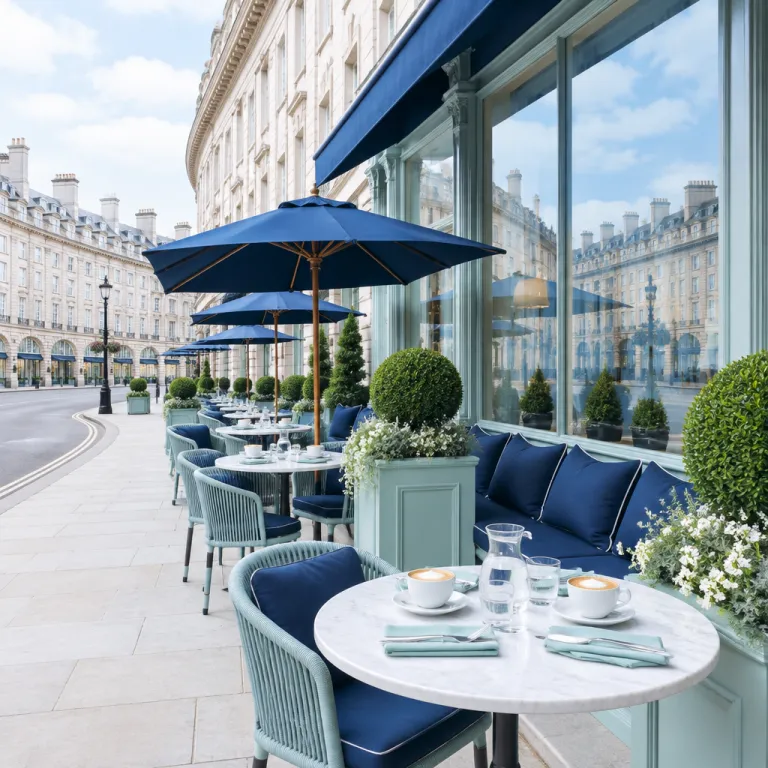
From thomas s at burberry regent street london to hotel brand storytelling
Walking into Thomas’s at the Burberry Regent Street flagship in London feels like entering a manifesto of brand identity. The Burberry London flagship store in central London turns a simple street store into a living narrative about heritage, fashion, lifestyle food, and hospitality. For hotel marketing leaders, this single Regent Street address is a practical guide to how a physical space can embody values, history, and aspiration.
The flagship store is named Burberry in honour of Thomas Burberry, the original Burberry founder whose vision still shapes every detail of the experience. Inside the Burberry London store, Thomas’s Café and the elegant Café Burberry corner show how dining can extend a fashion story rather than distract from it. Large windows frame Regent Street and pull the city into the store, while the cafe offers afternoon tea and British produce in a way that feels both intimate and unmistakably luxury.
For hotels, the lesson is clear: your lobby, bar, and restaurant should work like Thomas’s at Burberry Regent Street London, where every ingredient is narrative fuel. The cafe offers food and afternoon tea that reflect ingredients sourced from local British produce, aligning the menu with the brand’s origin story. When guests read a London review or travel article about the Thomas’s Café experience, they are not just reading a food review, they are absorbing a guide to the brand’s values and emotional territory.
Imagine your own property as a kind of hospitality flagship store, where every corridor and suite is curated like a Regent Street window. The way Burberry uses fashion, tea rituals, and lifestyle food moments to create shareable experiences should inspire how you script your own guest journey. Each touchpoint becomes an article in motion, ready for a Facebook share, a travel guide mention, or a detailed hotel review that reinforces your positioning.
Designing a hospitality flagship: lessons from the burberry london store
The Burberry flagship on Regent Street operates like a theatre of brand identity, and hotels can borrow its staging principles. Large windows along the street store façade create transparency, literally and metaphorically, signalling confidence in the experience inside. In hospitality, similar architectural gestures can turn a lobby or cafe into a visible stage for your brand, just as Thomas’s at Burberry Regent Street London turns passing travel footfall into engaged visitors.
Inside the Burberry London flagship store, every zone has a clear role in the narrative, from fashion displays to Thomas’s Café and the more intimate Café Burberry seating. The cafe offers afternoon tea and relaxed dining that echo the brand’s British produce story, with ingredients sourced to reinforce provenance and quality. For hotels, zoning your spaces with equal intentionality helps guests understand where to work, where to relax, and where to indulge, while keeping your brand voice consistent across food, design, and service.
Marketing teams should treat their most emblematic property as a hospitality flagship store, not just another address in central London. That means aligning interior design, menu engineering, and service rituals with a clear mission statement, in the same way the Burberry founder’s legacy shapes every detail of Thomas Burberry storytelling. For a deeper framework on this, you can study how a carefully crafted mission statement elevates brand identity and loyalty in other sectors through this guide on crafting a compelling mission statement to elevate brand identity.
When you analyse a London review or travel article about Thomas’s at Burberry Regent Street London, notice how often the word luxury appears alongside references to tea, food, and design. This is not accidental; the brand has choreographed a lifestyle food and fashion ecosystem where each element reinforces the others. Hotels that want similar coverage should script their own flagship narratives, ensuring that every review, share article, or Facebook share naturally links back to a coherent story about place, taste, and personality.
Turning cafes into brand stages: from thomas cafe to hotel F&B concepts
Thomas’s at Burberry Regent Street London shows how a cafe can become a strategic brand asset rather than a simple amenity. The Thomas Café concept, sometimes referred to as Café Burberry, is integrated into the store’s fashion journey so that dining feels like a continuation of browsing rather than a separate activity. For hotels, this is a powerful template for transforming lobby bars and restaurants into narrative engines that amplify brand identity.
At Thomas’s Café, afternoon tea is not just a menu item, it is a ritual that connects guests to British produce, ingredients sourced with care, and the heritage of Thomas Burberry as a visionary founder. The cafe offers food and afternoon tea that echo the textures and colours of the fashion collections, turning lifestyle food into a visual and emotional extension of the brand. Hotels can apply the same thinking by aligning F&B concepts with their destination story, whether that means coastal ingredients, mountain botanicals, or urban street food reinterpreted with luxury flair.
From a marketing perspective, every afternoon tea service or special week in August can become a content pillar, just as travel writers create a London review or fashion article around Thomas’s at Burberry Regent Street London. Encourage guests to share article links, post a Facebook share of their tea stand, or tag your property in a review that highlights both food and design. To support this, your hiring strategy should prioritise talent that understands brand theatre, as explained in this guide on how strategic hotel hiring elevates brand visibility and guest experience.
When your cafe offers a clear point of view, it becomes easier to pitch lifestyle food stories to travel and fashion media. Journalists are drawn to concepts that, like Thomas’s at Burberry Regent Street London, blend store, cafe, and cultural narrative into one coherent experience. Over time, your cafe can evolve into a hospitality flagship within the property, a place where guests and locals meet, share, and co-create the ongoing story of your brand.
Curating sensory branding: how tea, food, and materials shape memory
One of the most striking aspects of Thomas’s at Burberry Regent Street London is how carefully it orchestrates the senses. The interplay of fashion textures, the aroma of tea, and the presentation of food in Thomas’s Café creates a layered memory structure for visitors. Hotels that want to strengthen brand identity should study this sensory choreography and adapt it to their own context.
In the Burberry flagship, afternoon tea is served in a setting where materials echo the brand’s trench heritage, while large windows flood the Café Burberry space with natural light from Regent Street. The cafe offers dishes built around British produce, with ingredients sourced to reinforce authenticity and seasonality, which deepens the emotional link between guest and place. For hospitality brands, similar attention to materials, lighting, and menu storytelling can turn a standard dining room into a signature experience that guests will review and share.
Think about how a guest might write a London review or travel article after a week in August at your property, focusing on a particular tea ritual or tasting menu. If your lifestyle food concept is as coherent as the one at Thomas’s at Burberry Regent Street London, their review will naturally connect your hotel to the destination’s culture. This is how a single afternoon tea service can become a recurring motif in travel guides, Facebook share posts, and share article mentions that reinforce your positioning as a thoughtful, luxury host.
For marketing teams, the task is to document these sensory elements in a clear guide that can be shared with chefs, designers, and front-line équipes. When everyone understands how tea, food, and materials express the brand, consistency becomes easier to maintain across multiple properties or outlets. Over time, this alignment turns your hotel into a kind of living article, where every corridor, cafe, and suite quietly repeats the same story in different sensory languages.
Content strategy inspired by travel and fashion coverage of burberry london
Media coverage of Thomas’s at Burberry Regent Street London offers a blueprint for hotel content strategies that bridge travel, fashion, and gastronomy. Journalists often frame the Burberry flagship as both a store and a cultural destination, highlighting how the Thomas’s Café and Café Burberry experiences complement the fashion offer. Hotels can emulate this by positioning their properties as multi-dimensional venues where guests can shop, dine, work, and socialise under one coherent narrative.
Analyse how a typical London review or travel article structures its story around the Burberry London flagship store, from the moment visitors see the large windows on Regent Street to the final sip of afternoon tea. Notice how often writers mention British produce, ingredients sourced with care, and the way the cafe offers a pause from the bustle of central London. These recurring motifs show you which details resonate most with audiences and should therefore be emphasised in your own content calendar, press kits, and social storytelling.
For hotels, a strong content strategy might include a weekly article series that profiles signature dishes, tea rituals, or design details, echoing the depth of coverage given to Thomas’s at Burberry Regent Street London. Each piece should be crafted to encourage readers to share article links, post a Facebook share, or bookmark your property in their next travel guide. A useful reference on how lifestyle storytelling can elevate hotel content is this analysis of a luxury travel blog and holiday inspiration strategy available through elevating your hotel content strategy with luxury travel storytelling.
Over time, consistent, high-quality content can position your hotel as a reference point in the same way the Burberry flagship has become a must-visit in central London. When guests and journalists repeatedly mention your cafe, afternoon tea, or flagship suite in reviews, your brand identity becomes anchored in concrete experiences rather than abstract slogans. That is the real power of learning from fashion and retail icons like Thomas Burberry and translating their narrative discipline into hospitality marketing.
From flagship to portfolio: scaling a coherent brand identity across properties
Thomas’s at Burberry Regent Street London functions as a north star for the entire Burberry London network, and hotels can use a similar flagship logic to guide their portfolios. The Regent Street store distils the essence of the Burberry founder’s vision into a single, highly curated environment that other locations can interpret in their own way. For hospitality groups, one hero property can play the same role, setting standards for design, food, tea rituals, and service that define the brand everywhere.
In the Burberry flagship, elements like large windows, British produce, and ingredients sourced with care are not random design choices, they are codified expressions of identity. The Thomas’s Café and Café Burberry concepts show how the cafe offers more than dining, it offers a narrative about place, season, and lifestyle food that can be adapted to different markets. Hotels can create similar brand bibles that explain how an afternoon tea, a lobby scent, or a suite layout should feel, while still allowing local teams to reflect their own city or region.
When you read a London review or travel article about Thomas’s at Burberry Regent Street London, you see how this flagship anchors the perception of Burberry stores worldwide. Guests who have visited the Regent Street store carry that memory into every other street store they encounter, expecting a comparable level of luxury and coherence. Hospitality brands that manage this transition successfully turn each property into a chapter of a larger story, encouraging guests to share article links, post a Facebook share, and plan future travel around the portfolio.
For directeurs marketing d’hôtel and their équipes, the challenge is to balance strict brand guidelines with enough flexibility to keep each property authentic. Use your flagship property as a living laboratory, testing new food concepts, tea experiences, and design cues before rolling them out more widely. Over time, this approach builds a resilient, recognisable identity that can thrive across markets, just as the legacy of Thomas Burberry continues to shape every Burberry London experience from Regent Street to airports and beyond.
Key figures that highlight the impact of flagship brand experiences
- Research from Deloitte indicates that brands with strong, consistent identities across flagship and secondary locations are more likely to achieve above-average profitability, showing how a clear narrative like Thomas’s at Burberry Regent Street London can support financial performance.
- A report by McKinsey on experiential retail notes that stores integrating food and beverage concepts, such as a Thomas’s Café style offer, often increase average dwell time, which directly boosts opportunities for upselling and cross-selling in both retail and hospitality.
- Data from Google Trends shows that searches combining a brand name with terms like “afternoon tea” or “cafe” have grown in recent years, underlining the strategic value of lifestyle food experiences in attracting travel-oriented audiences.
- According to a study by Accenture, many consumers prefer brands that use local ingredients sourced responsibly, which validates the emphasis on British produce and provenance seen at the Burberry flagship and offers a clear direction for hotel F&B positioning.
- Research from Bain & Company suggests that flagship locations in central urban areas can account for a significant share of a luxury brand’s earned media exposure, demonstrating why a single address like Regent Street can become a powerful storytelling and visibility engine.
FAQ about hospitality brand identity inspired by flagship experiences
How can a hotel use a flagship property to define its brand identity ?
A hotel can treat one emblematic property as a flagship, concentrating its most distinctive design, food, and service elements there. This property then becomes a reference for all brand guidelines, much like Thomas’s at Burberry Regent Street London defines the Burberry London experience. Other hotels in the portfolio interpret these standards locally while preserving the core narrative.
What can hotel cafes learn from concepts like thomas cafe at burberry ?
Hotel cafes can learn to act as narrative extensions of the brand rather than standalone outlets. By aligning menu design, ingredients sourced, and rituals such as afternoon tea with the hotel’s story, they create memorable lifestyle food experiences. This approach encourages guests to write reviews, share article links, and associate the property with a specific mood or culture.
Why are local ingredients and provenance important for hospitality branding ?
Local ingredients and clear provenance signal authenticity, care, and respect for the destination. When a cafe offers dishes based on regional produce, as seen with British produce at the Burberry flagship, it strengthens the emotional link between guest and place. This authenticity often translates into stronger word of mouth, better reviews, and higher perceived value.
How can hotels encourage guests to share their experiences online ?
Hotels should design visually compelling moments, such as tea stands, signature cocktails, or architectural features, that guests naturally want to photograph. Clear hashtags, gentle prompts from staff, and frictionless Wi-Fi access make it easier for visitors to post a Facebook share or travel review. Over time, these organic posts amplify visibility and reinforce the hotel’s brand identity.
What role does architecture play in communicating a hotel’s brand story ?
Architecture shapes first impressions and frames how guests move through a space. Features like large windows, thoughtful zoning, and material choices can communicate openness, intimacy, or luxury, just as the Regent Street store does for Burberry London. When architecture aligns with service and F&B concepts, the entire property becomes a coherent expression of the brand.