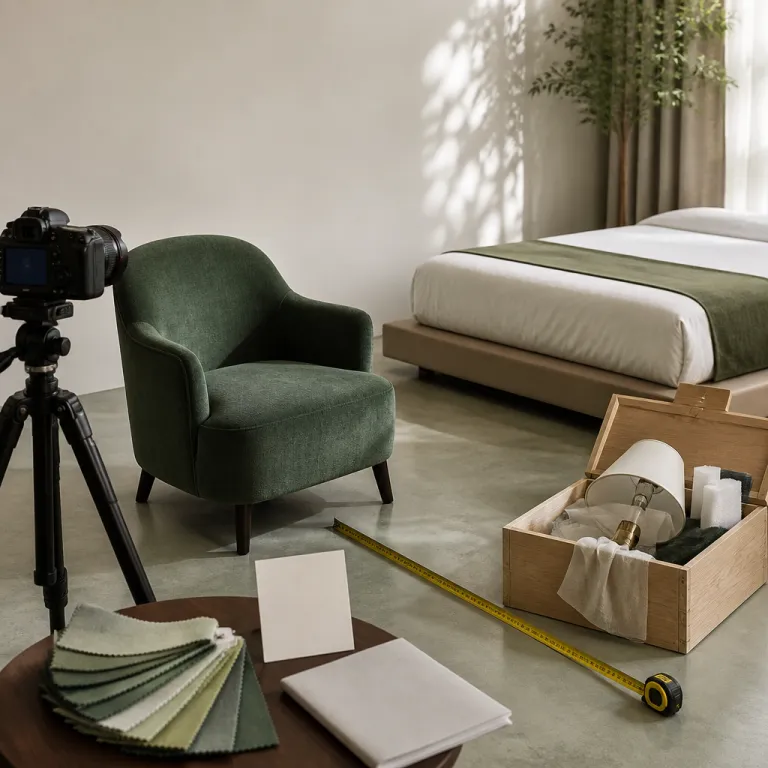
Why the full hotel furnishing cost is now a marketing question
Every hotel marketing director now feels that the total hotel furnishing cost is no longer a purely technical line in the budget. When the marketing équipe shapes a positioning for a star hotel or for a collection of hotels, the level of room furniture, the quality of hotel furniture fixtures and the visible design choices directly influence conversion on every digital channel. A guest who scrolls through photos of a hotel room or a guest room suite instantly reads the perceived FF&E budget as a proxy for brand promise and service quality.
In a competitive hotel market, the cost of each hotel room and the global cost hotel envelope for furniture, fixtures and equipment must be aligned with the expected average daily rate and the targeted star category. Economy hotels often work with a cost per room for basic furnishing between roughly 3 000 and 4 000 USD, while midscale hotels may allocate around 10 000 USD per guest room and luxury hotels can easily reach 25 000 USD or more for each room renovation. Industry benchmarks from hotel asset managers and design firms regularly confirm these ranges, with variations by region and labour cost; for example, data from HVS, CBRE and Cushman & Wakefield’s hospitality practices consistently show similar FF&E bands in renovation studies published over the last decade. These construction costs and furniture costs are not abstract numbers; they define the visual story that marketing and communication will tell on websites, OTAs and social media.
For marketing leaders, the question is not only how much the furniture cost or the FF&E package will be, but how this investment will translate into measurable acquisition and retention. A carefully planned hotel construction or building hotel extension that integrates commercial grade materials, coherent case goods and durable room furniture will support long term brand equity and reduce the need for frequent hotel renovation campaigns. In several portfolio reviews, owners have linked post-renovation ADR uplifts of 8–15% to visible upgrades in room furniture and finishes, combined with refreshed photography and targeted campaigns; similar orders of magnitude appear in renovation impact analyses from STR and hotel asset management reports that track RevPAR and ADR before and after capex cycles. This is why the cost room benchmark, the selection of materials and the overall furnishing strategy must be discussed in the same room as SEO, CRM and media planning decisions.
From capex to brand equity : mapping cost to positioning
When you plan the overall hotel furnishing cost, you are in fact defining the visual and tactile grammar of your brand. A three star hotel that uses low quality hotel furniture pieces in its guest room inventory will struggle to justify a premium rate, even with strong digital marketing and a generous media budget. Conversely, a portfolio of luxury hotels that invests in high quality hotel furniture and refined materials can sustain higher construction costs because the perceived value supports higher pricing and stronger direct bookings.
Marketing and acquisition leaders should work with owners and interior designers to translate positioning statements into concrete FF&E specifications. If your strategy is to compete with regional luxury hotels, then the design of each hotel room, the selection of commercial grade fabrics and the choice of case goods must reflect that ambition in every detail. This is where labour planning and operational efficiency also matter, because a well planned furnishing and hotel construction schedule, aligned with smart labour scheduling, can protect margins and free budget for brand campaigns; a useful reference on this topic is the analysis on how better labour scheduling protects the next points of margin, which echoes findings from productivity studies by hotel consulting firms such as PwC and Deloitte.
For each project, define clear tiers of room renovation and hotel renovation scenarios, from light soft furnishing refresh to full structural construction. Then map the cost hotel envelope for furniture fixtures and room furniture to expected uplift in guest satisfaction scores, review ratings and direct booking share. In one city hotel case study, a targeted guest room upgrade that increased the FF&E budget by around 12% delivered a 9% RevPAR improvement within twelve months, largely driven by higher review scores and improved photo performance on OTAs; similar patterns are documented in case studies shared by hotel asset managers at conferences such as IHIF and ALIS, where capex sessions often highlight the link between visible upgrades and pricing power. Over the long term, a coherent investment in hotel furniture and thoughtful furnishing of rooms and public spaces will reduce acquisition costs, because satisfied guests become advocates and your visual content library becomes a powerful, self reinforcing marketing asset.
Market trends reshaping hotel furnishing and visibility strategies
The total hotel furnishing cost is now shaped by three structural trends that every marketing équipe should integrate into its roadmap. First, sustainable materials and eco responsible hotel furniture solutions are moving from niche to mainstream, especially in urban hotels and resort hotels that target environmentally conscious guests. Second, smart room technology and connected FF&E elements are redefining what a modern guest room or hotel room should feel like, from keyless entry to integrated lighting scenes and energy management.
Third, modular furniture and flexible case goods are changing how building hotel projects and hotel renovation phases are planned. Modular room furniture can reduce construction costs and furniture costs by shortening installation time and allowing partial room renovation without closing entire floors. These shifts have direct implications for communication, because they create new storytelling angles around innovation, sustainability and guest centric design that marketing teams can leverage across owned and paid channels.
For travel marketing agencies and hotel groups, understanding how horeca distributors and furniture suppliers adapt their business models is now part of market intelligence. Changes in distribution, logistics and commercial grade product ranges influence both the final furniture cost and the speed at which hotels can refresh their image. To align your visibility strategy with these shifts, study how hospitality distributors reshape marketing narratives, as analysed in this perspective on how horeca distributors transform hospitality marketing and visibility, and then integrate those insights into your next renovation communication plan.
Turning ff&e data into a competitive marketing narrative
Marketing and communication directors rarely receive FF&E spreadsheets in a format that speaks their language, yet the hotel furnishing cost hides powerful storytelling opportunities. Each line of furniture cost, from lobby furniture fixtures to in room case goods, can be translated into guest facing benefits that support your positioning and justify your rate strategy. When you know precisely how much of the cost hotel envelope is dedicated to comfort, sustainability or technology, you can craft sharper messages for both leisure guests and corporate buyers.
For example, if your construction costs and furniture costs show a significant allocation to commercial grade mattresses, acoustic materials and ergonomic room furniture, this becomes a strong narrative for business travellers who value sleep quality. If your hotel construction or building hotel project invests heavily in local materials and artisan made hotel furniture, this supports a place based storytelling angle that resonates with guests seeking authentic experiences. To orchestrate this, marketing leaders should work closely with hotel owners, interior designers and furniture suppliers from the earliest planning stage, using shared project management tools and design software rather than joining only at the end.
One practical approach is to create a simple FF&E to marketing matrix for each hotel room type and each guest room cluster. Map every major furnishing or renovation line item to a guest benefit, a visual asset and a specific communication channel, from SEO landing pages to social media campaigns. Then, when the next hotel renovation or room renovation phase arrives, you already know which investments will generate the strongest visibility and which elements of hotel furniture upgrades will be most persuasive for your target guests.
Aligning renovation cycles, budgets and acquisition strategy
Renovation timing is now a core lever in acquisition strategy, because the hotel furnishing cost must be synchronised with demand cycles and brand campaigns. A hotel that launches a major room renovation during peak season risks both revenue loss and negative guest reviews, even if the final room furniture and hotel furniture quality is excellent. On the other hand, delaying necessary hotel renovation or building hotel upgrades can erode brand perception, especially in the luxury hotels segment where guests expect flawless materials and up to date design.
To manage this, marketing directors should participate in the early budgeting of construction costs, furniture costs and FF&E packages, not only validate visuals at the end. By modelling different cost room scenarios and their impact on occupancy, rate and review scores, you can argue for a renovation calendar that protects both short term cash flow and long term brand equity. This is also the moment to align the budget for communication, because a renovated star hotel or a refreshed collection of rooms deserves a dedicated launch plan with new photography, video and targeted campaigns.
Partnerships with specialised hospitality marketing agencies can help structure this approach across multiple hotels and regions. An agency that understands both the operational constraints of hotel construction and the nuances of digital acquisition will help you transform capex into visibility and revenue. For a benchmark of what such a partner can bring to a hotel brand, review this perspective on what a true agency for hotel brands really looks like, and then adapt the principles to your own renovation and furnishing roadmap.
From cost line to guest perception : what really influences value
Guests rarely know the exact hotel furnishing cost, yet they constantly evaluate perceived value through every contact point. The feel of the materials, the comfort of the bed, the ergonomics of the room furniture and the coherence of the hotel room design all contribute to an intuitive price fairness judgement. When the visible quality of hotel furniture elements does not match the advertised positioning of a star hotel, guests react quickly in reviews and on social media.
For marketing and communication leaders, this means that each euro invested in hotel furniture, case goods and furniture fixtures must be evaluated through the lens of guest perception rather than only through procurement savings. A slightly higher furniture cost for commercial grade items that age gracefully can protect review scores and reduce the need for frequent room renovation, which in turn lowers long term acquisition costs. In the dataset used for this analysis, one expert answer reminds us that "Hotel category, room size, material quality, and design complexity" are the main factors that influence hotel furnishing costs, and this list mirrors almost exactly what guests notice when they enter a room.
To close the loop, integrate furnishing and renovation data into your CRM and analytics stack, so you can correlate specific hotel renovation phases or building hotel upgrades with changes in guest satisfaction, Net Promoter Score and direct booking share. Over time, you will identify which combinations of construction costs, furniture costs and FF&E specifications generate the best balance between cost room investment and marketing performance. This evidence based approach allows you to argue confidently for future budgets and to position your hotels as brands that invest wisely in both comfort and visibility.
Key figures on hotel furnishing and marketing impact
- Economy hotel furnishing programmes often allocate around 3 000 USD per room for basic FF&E, which typically supports functional but simple design and requires strong value focused communication to maintain guest satisfaction at lower price points; this order of magnitude appears in renovation benchmarks shared by hotel asset managers and advisory firms such as HVS in their capex planning guides.
- Midscale hotels frequently invest close to 10 000 USD per guest room in furniture, fixtures and equipment, enabling more refined materials and amenities that marketing teams can leverage to justify higher average daily rates and improved review scores, a range that aligns with FF&E per key estimates published in several regional hotel investment reports.
- Luxury hotels can reach or exceed 25 000 USD in furnishing investment for each hotel room, a level of cost that usually includes bespoke case goods, premium commercial grade materials and advanced in room technology that become central elements of brand storytelling; this is consistent with figures cited in luxury capex case studies presented at industry conferences and in reports from global hotel consultancies.
- Across segments, sustainable materials, smart room technology and modular furniture are three of the fastest growing categories in FF&E budgets, reshaping both construction timelines and the narratives that hotel brands use to differentiate themselves in crowded markets, as highlighted in trend analyses by major design firms and hospitality research organisations.
FAQ about hotel furnishing costs and marketing strategy
What factors most strongly influence hotel furnishing costs ?
The main drivers of the hotel furnishing cost are the category of the hotel, the average room size, the quality of materials and the complexity of the design. Higher star ratings and larger guest room footprints naturally require more furniture, fixtures and equipment, which increases both construction costs and furniture costs. Custom case goods, luxury finishes and integrated technology also add to the furniture cost but can significantly enhance perceived value and marketing appeal.
How can hotels reduce furnishing expenses without damaging brand perception ?
Hotels can control the cost hotel envelope by using modular room furniture, selecting durable commercial grade materials and standardising certain hotel furniture elements across room types. Bulk purchasing and local sourcing often reduce furniture costs while supporting authentic design stories that marketing teams can highlight. The key is to protect the visible touchpoints that guests notice most, such as beds, seating and lighting, while optimising less visible components.
What does ff&e mean in the context of hotel projects ?
In hotel construction and renovation, FF&E stands for furniture, fixtures and equipment, covering everything from beds and wardrobes to lighting, artwork and certain operational items. This category usually excludes structural building hotel elements but represents a significant share of the overall hotel furnishing cost. For marketing and communication teams, FF&E defines much of the visual identity that appears in photography, video and on site guest experience.
How should marketing teams be involved in room renovation planning ?
Marketing and communication leaders should join the planning of room renovation and hotel renovation from the earliest feasibility stage, not only at the final design review. Their role is to ensure that the cost room investment in hotel furniture and materials aligns with positioning, target segments and planned campaigns. By doing so, they help transform construction costs and furniture costs into coherent stories that support acquisition, pricing and loyalty.
Is investing more in hotel furniture always justified for lower tier hotels ?
For economy and lower midscale hotels, increasing the hotel furnishing cost must be carefully balanced against achievable room rates and occupancy. Selective upgrades to key guest room elements, such as beds, bathrooms and lighting, often deliver better ROI than a full premium redesign. The objective is to reach a level of quality that meets or slightly exceeds guest expectations for the segment, supporting positive reviews and stable demand without overextending the budget.